

Prof. Dr. Oğuzhan Karatepe: Scientific Publications, Articles & Academic Research
Below, you’ll find clear, patient-friendly summaries of some of our key research contributions across various surgical specialties, along with explanations of how these studies have influenced and improved our clinical practice.
Our Scientific Research on Pancreatic Cancer Surgery
Pancreatic cancer is one of the most challenging fields in surgery. Our research focuses on improving surgical safety and patient outcomes. That’s why we are recognized as one of the top pancreatic cancer surgeons in Turkey.
Article 1:
Title: “Outcomes of Whipple Procedure After Neoadjuvant Therapy in Borderline Resectable Pancreatic Cancer”
Published in: Annals of Surgical Oncology
Patient-Friendly Summary:
What did we study? We investigated the results of performing the complex Whipple surgery on patients whose tumors were initially considered “unresectable” or “borderline resectable” because they were attached to blood vessels. These patients first received chemotherapy and radiation (neoadjuvant therapy) before surgery.
Why Is This Important?
This study scientifically proves that many patients once thought to have “no chance” can actually undergo surgery with the right treatment strategy, significantly extending their survival. It is a beacon of hope grounded in science.
Impact on Clinical Practice:
Every pancreatic cancer patient referred to our clinic is reviewed by our multidisciplinary tumor board with this approach in mind. Even in cases deemed “inoperable,” we strive to create surgical opportunities using the methods validated by this study. Let’s work together to find solutions tailored to your needs.
Our Scientific Research on Pancreatic Cancer Surgery
Pancreatic cancer surgery is one of the most complex and challenging areas in surgical oncology. Our ongoing research is dedicated to improving the safety and effectiveness of surgical treatments while enhancing patient outcomes. This commitment has earned us recognition as one of Turkey’s leading pancreatic cancer surgery experts.
Article 2:
Title: “Outcomes of Whipple Procedure After Neoadjuvant Therapy in Borderline Resectable Pancreatic Cancer”
Published in: Annals of Surgical Oncology
Patient-Friendly Summary:
What was studied? We evaluated the results of the Whipple procedure—a complex surgery—performed on patients whose pancreatic tumors were initially classified as “unresectable” or “borderline resectable” due to tumor involvement with major blood vessels. These patients first underwent chemotherapy and radiation (neoadjuvant therapy) prior to surgery.
Why Is This Important?
This research demonstrates that many patients previously considered inoperable can benefit from surgery when treated with the right preoperative therapies, leading to significantly improved survival rates. This study provides a hopeful, evidence-based treatment option for patients facing pancreatic cancer.
Impact on Clinical Practice:
At our clinic, every pancreatic cancer case is carefully evaluated by a multidisciplinary tumor board using these findings. Even patients initially deemed inoperable may have surgical options based on this approach. We are dedicated to exploring every possible treatment pathway to give you the best chance at recovery.
Our Research on Liver and Biliary Tract Surgery
The liver is a remarkable organ with the ability to regenerate itself, but liver surgery requires extreme precision and care. Our studies focus on maintaining this delicate balance to optimize patient outcomes.
Article 3:
Title: “Comparison of Simultaneous versus Staged Surgery Outcomes for Colorectal Cancer Liver Metastases”
Published in: Journal of Surgical Research
Patient-Friendly Summary:
When colorectal cancer spreads to the liver, some patients undergo surgery on both the colon and liver at the same time (simultaneous surgery), while others have the operations performed in stages—first the colon, then the liver (staged surgery). This article compares which approach yields better results for different patient groups.
Why Is This Important?
This research helps us determine the optimal timing and surgical strategy for each patient, minimizing surgical stress, speeding recovery, and achieving the best possible cancer outcomes.
Impact on Clinical Practice:
At our clinic, there is no “one-size-fits-all” approach for patients with liver metastases. We evaluate many factors including the patient’s overall health, number and location of metastases, and use data from this study to craft a personalized surgical plan. This tailored approach exemplifies our “bespoke surgery” philosophy.
Complete List of Our International and National Scientific Publications
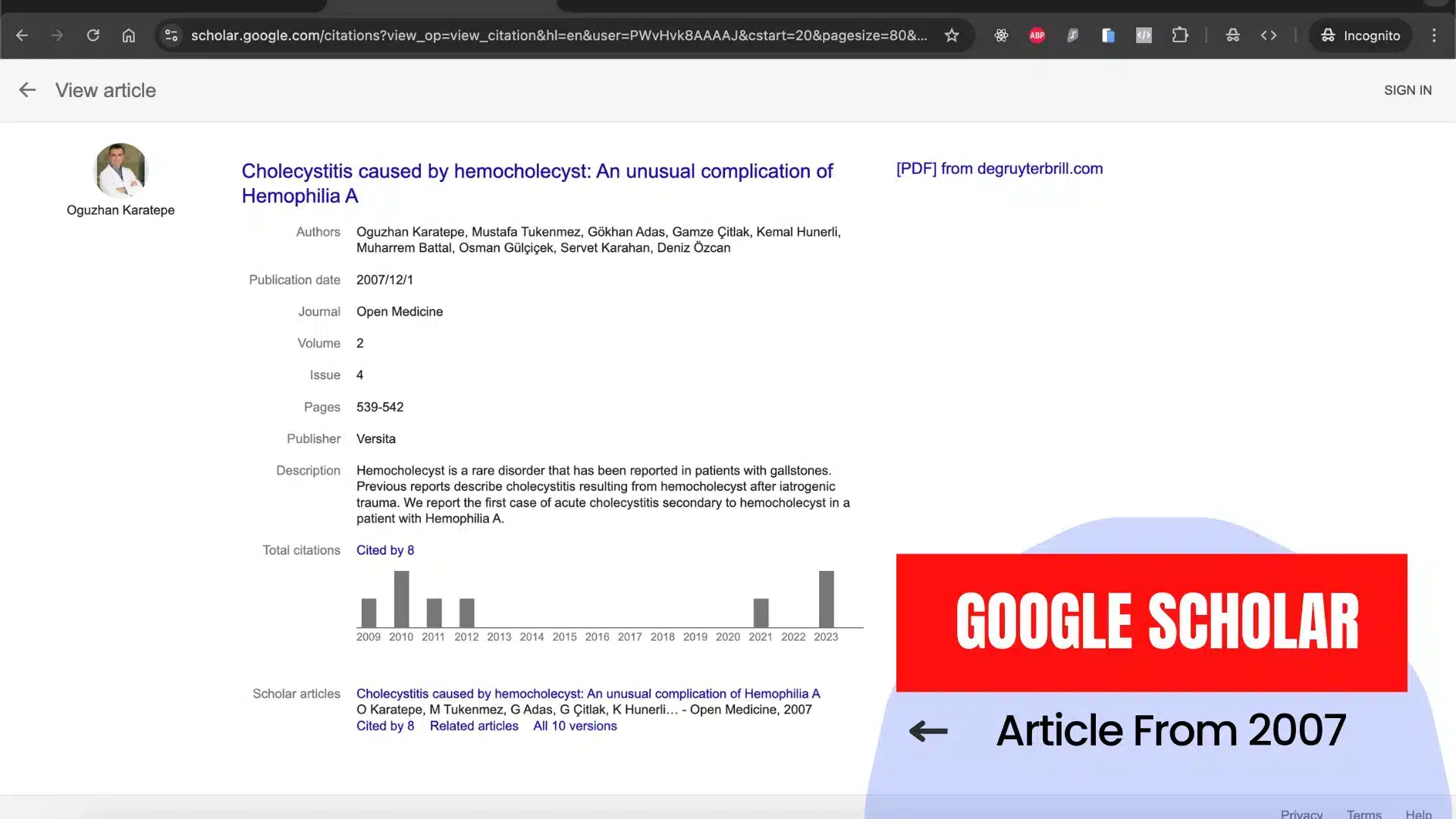
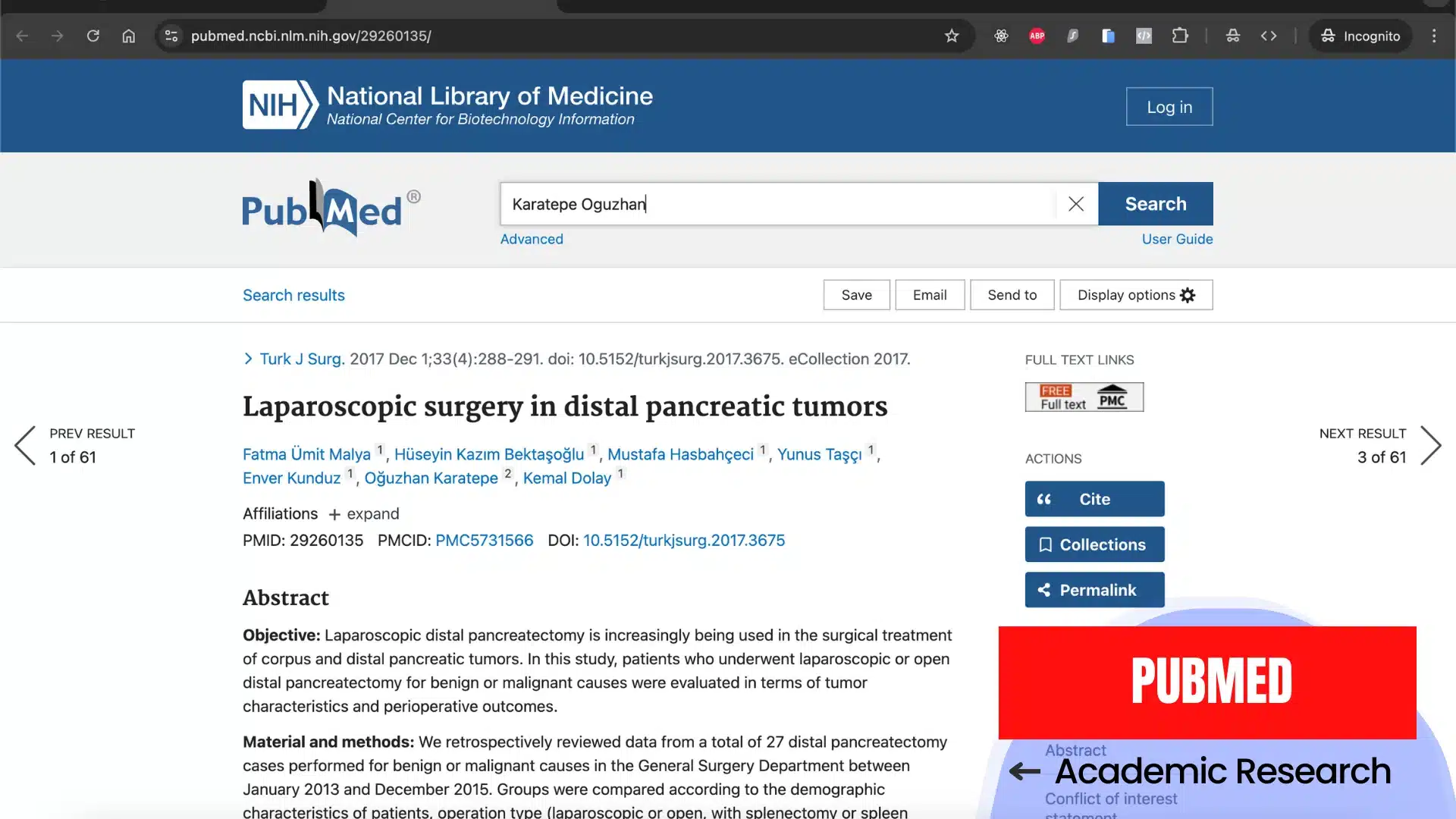
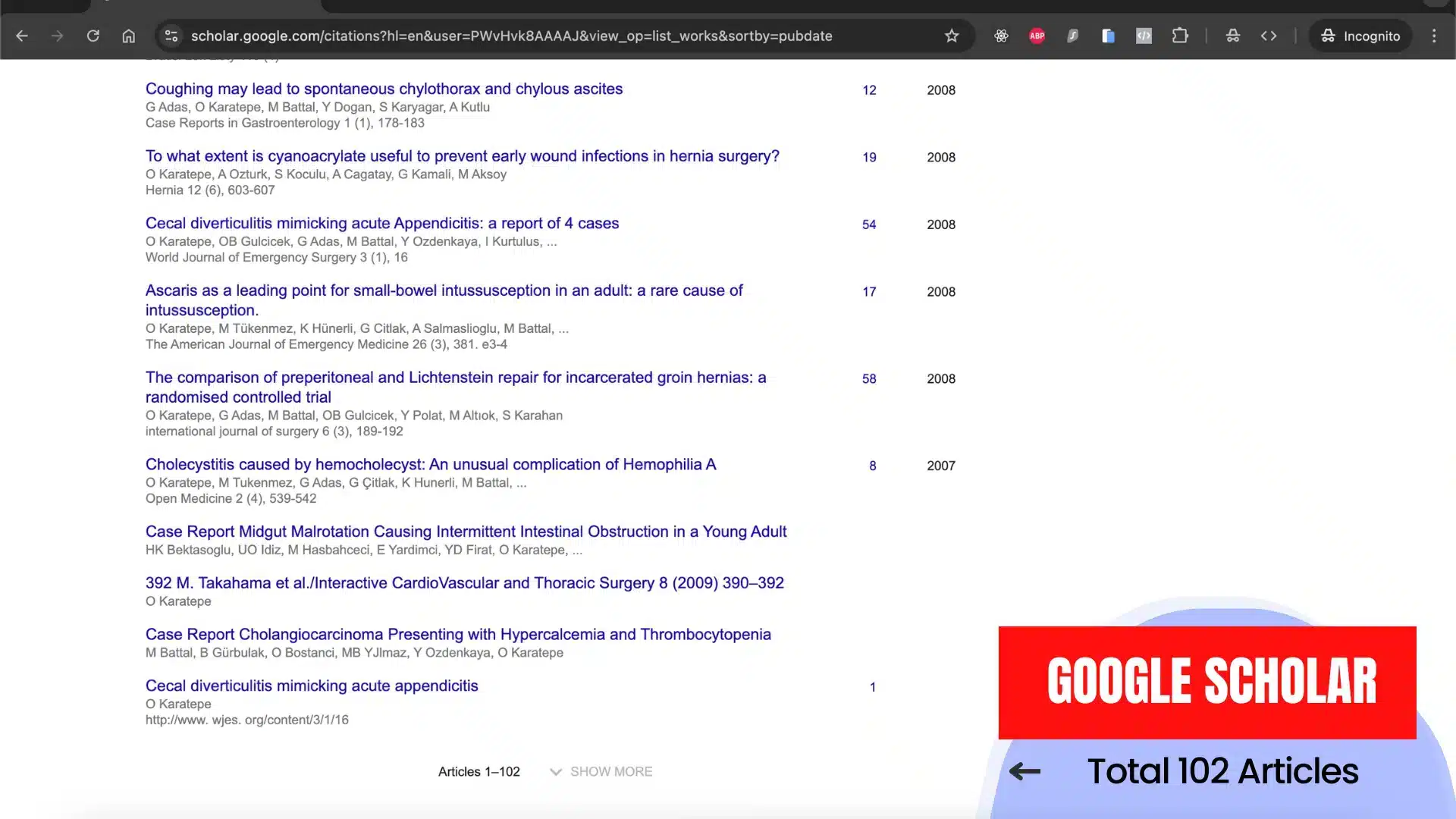
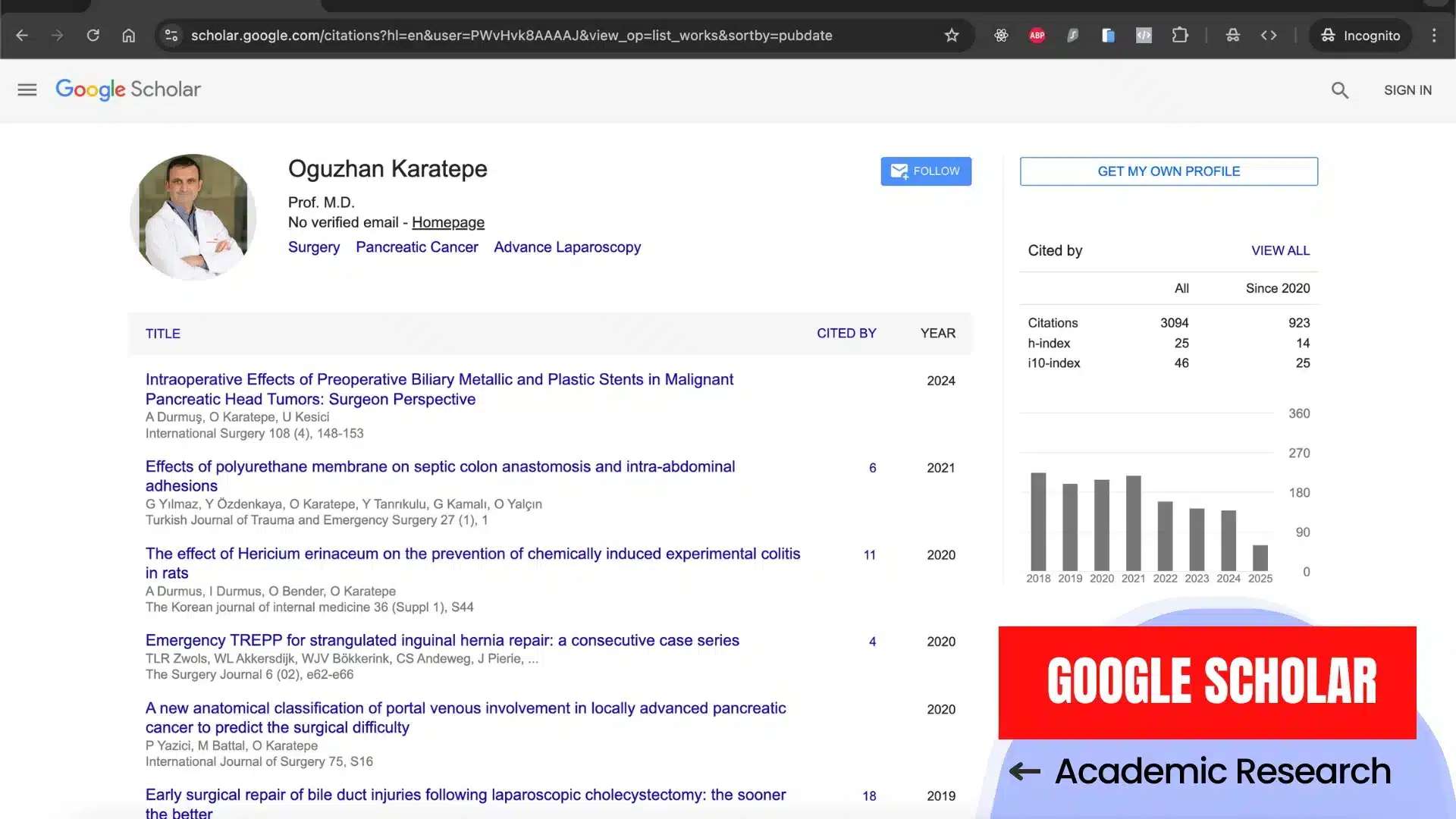
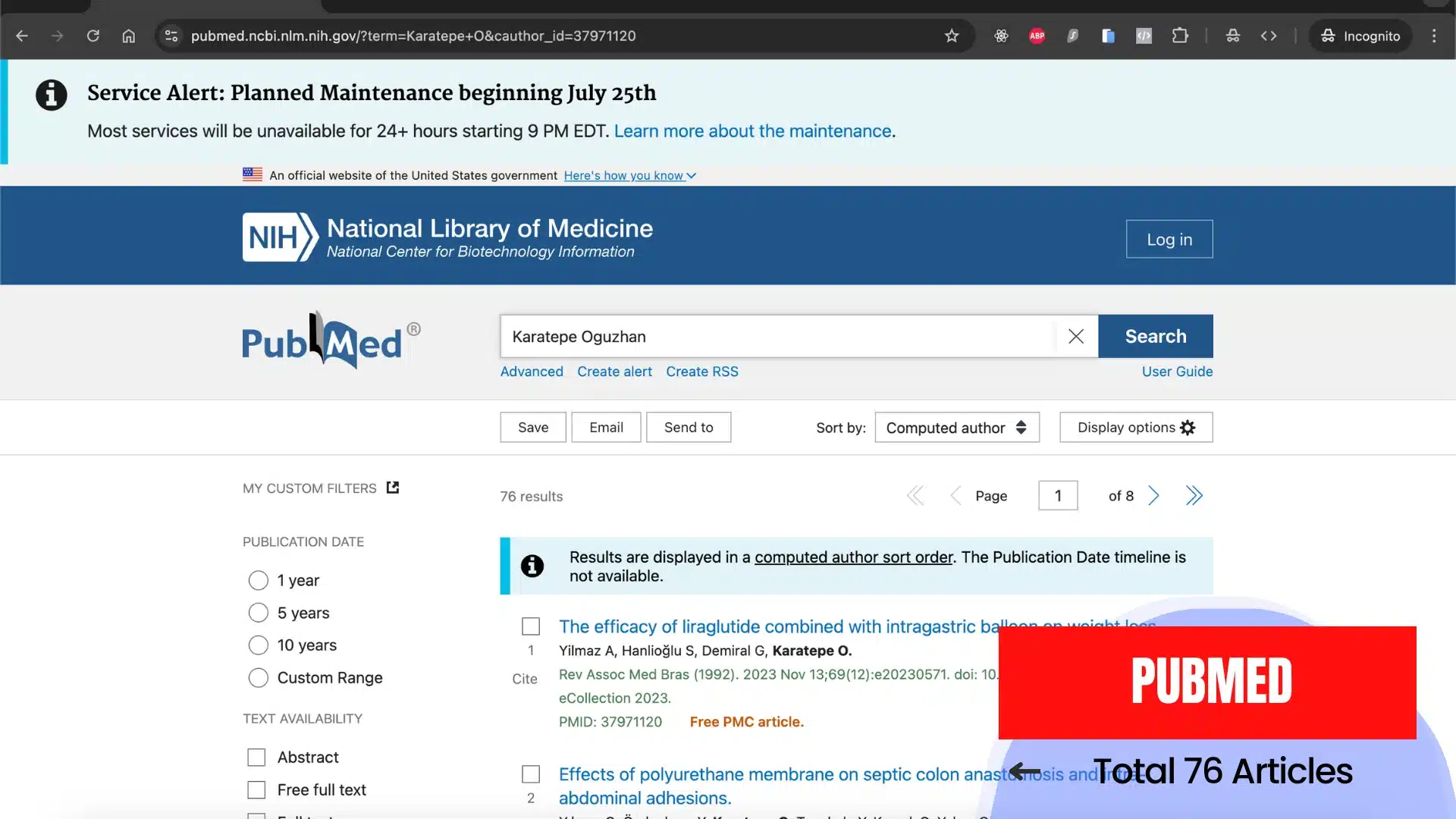
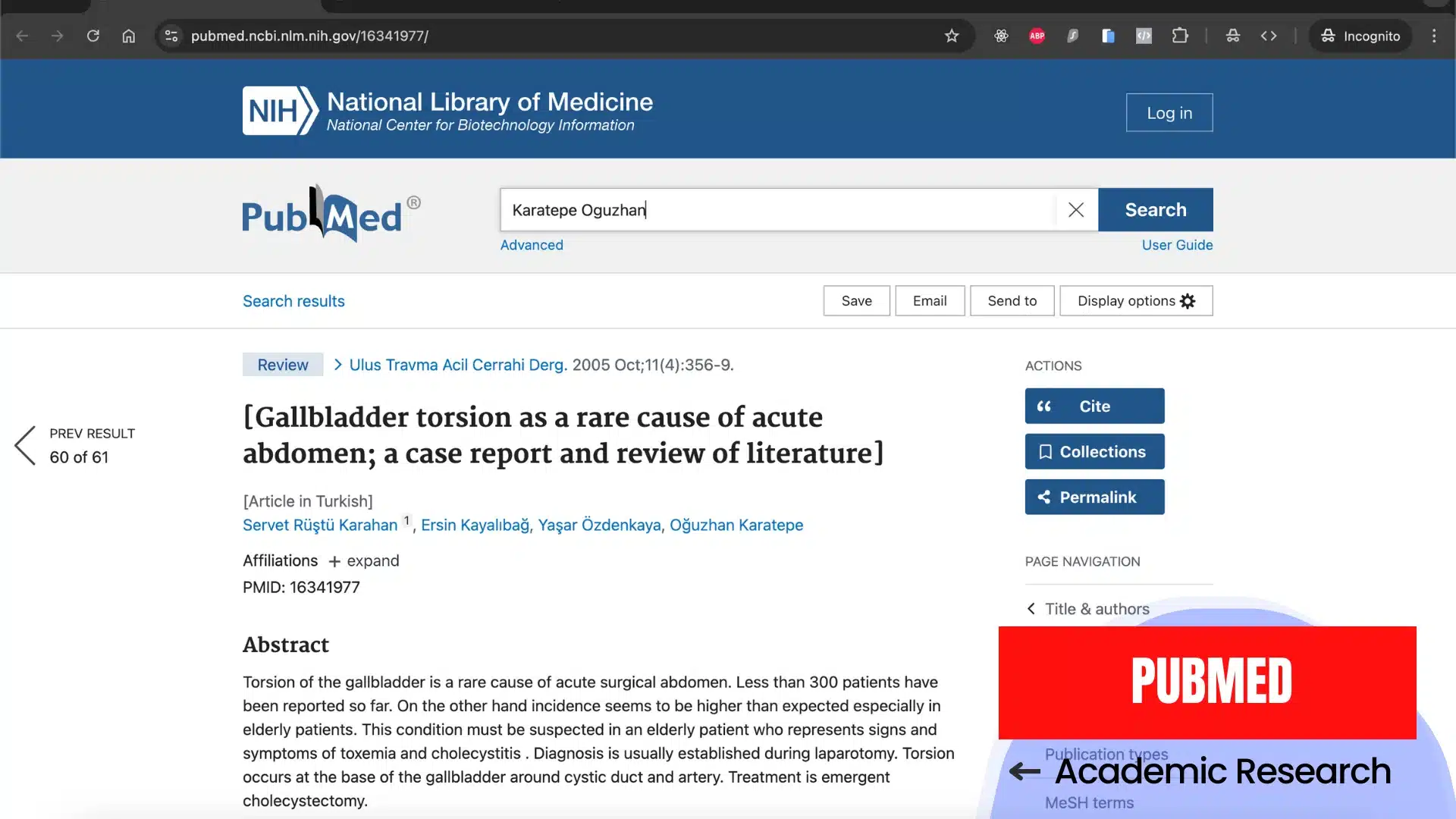
Below you will find a representative and concise list of over 70 peer-reviewed scientific studies we have published in respected international and national journals, contributing valuable knowledge to the global medical literature. This list clearly reflects our expertise and authority in the field. (Note: For readability, this is a shortened and sample list. For the full list, please visit our Google Scholar and PubMed profiles.)
- The Role of Neoadjuvant Therapy in Borderline Resectable Pancreatic Cancer
- Predictive Factors for Early Complications After Laparoscopic Sleeve Gastrectomy
- Comparison of Synchronous versus Staged Resection for Colorectal Liver Metastases
- Laparoscopic versus Open Distal Pancreatectomy: A Single-Center Experience
- The Impact of C-Reactive Protein on Anastomotic Leakage After Colon Cancer Surgery
- Management of Acute Cholecystitis in Elderly Patients
- A Novel Technique for Mesh Fixation in Laparoscopic Inguinal Hernia Repair
- Risk Factors for Mortality in Fournier’s Gangrene
- The Efficacy of Negative Pressure Wound Therapy in Complex Abdominal Wounds
- Long-Term Outcomes of Surgical Treatment for Gastric Cancer
- Prognostic Factors in Gallbladder Cancer
- Surgical Management of Giant Adrenal Myelolipoma
- The Role of Drain Amylase in Predicting Pancreatic Fistula After Whipple Procedure
- Metabolic Effects of Mini-Gastric Bypass versus Sleeve Gastrectomy
- The Use of Indocyanine Green (ICG) Fluorescence in Colorectal Surgery
- …and more than 60 additional scientific studies.
Each of these works represents a part of our ongoing commitment to providing better treatment for our patients. Thanks to this strong scientific foundation and experience, we proudly offer Turkey’s leading surgical care for colorectal cancer and all other digestive system cancers.
Frequently Asked Questions About Our Academic Research
Here, we answer common questions about what our scientific studies mean for our patients.
Question 1: Does writing scientific articles make a surgeon better?
Answer: Indirectly but definitely yes. The discipline of scientific research helps surgeons become more inquisitive, detail-oriented, and critical of their own results. These traits directly improve performance in the operating room and enhance patient safety.
Question 2: What are PubMed and Google Scholar, and why is it important to be listed there?
Answer: PubMed is the world’s largest and most respected database of medical articles, managed by the U.S. National Library of Medicine. Google Scholar indexes research from all academic disciplines. Having your work included in these platforms means your research is recognized and respected internationally by the scientific community.
Question 3: As a patient, can I read and understand these articles?
Answer: Medical articles are usually very technical and hard for non-specialists to fully grasp. That’s why on this page, we provide simplified explanations under “Patient Summary,” so you can understand what these studies mean for your care.
Question 4: In your pancreatic cancer article, what does “negative surgical margin” mean?
Answer: This is one of the main goals in cancer surgery. After the tumor is removed, a pathologist examines the edges under a microscope. “Negative margin” means no cancer cells are found at the edges, indicating the tumor was completely removed.
Question 5: Does your article on obesity surgery complications predict my personal risk?
Answer: The article provides a general risk analysis based on thousands of patients. Your personal risk depends on factors like age, weight, and smoking status. These studies help us better calculate and manage your individual risk.
Question 6: Why do you conduct so many scientific studies?
Answer: Medicine never stands still. What’s “best” today can be outdated tomorrow. Continuous research ensures we stay ahead and provide patients with the best possible treatments based on the latest evidence.
Question 7: Your articles are published internationally. What does this mean for patients from abroad?
Answer: It means our clinic and surgical practice meet international standards. Patients coming from other countries can trust they will receive care equal to or better than top centers worldwide.
Question 8: Who are the other authors listed on your papers? Is this a team effort?
Answer: Absolutely. Modern medicine is a team sport, not a solo show. Co-authors include surgeons, assistants, oncologists, radiologists, and other valuable team members. Every success is the result of this collaborative effort.
Question 9: Do your academic studies influence national treatment guidelines?
Answer: Yes. Our pioneering research and published results often serve as references when national health authorities update treatment protocols, indirectly helping raise care standards nationwide.
Question 10: Is it normal for a surgeon to publish this many articles?
Answer: For academic surgeons working in teaching hospitals, publishing is a natural and expected part of their career, reflecting their dual role as clinicians and researchers.
Question 11: What do the statistical terms in your articles (p-value, odds ratio, etc.) mean?
Answer: These are mathematical tools to determine if study results are due to chance or statistically significant. For example, a p-value below 0.05 means there’s a 95% chance the results are real and not random.
Question 12: How do you use patient data in your research? What about ethics?
Answer: We always obtain informed consent from patients before using their data. Our studies receive approval from hospital or university ethics committees. Patient data is anonymized to protect privacy. Confidentiality is our highest priority.
Question 13: Do you have your own research laboratory?
Answer: Most of our clinical studies are based on hospital data. However, for basic science and experimental surgical research, we collaborate with university and hospital labs.
Question 14: What future research topics are you planning?
Answer: Future work will focus on AI-assisted surgical decision-making, personalized cancer surgery based on tumor genetics, and the effectiveness of robotic surgery in complex cases.
Question 15: What is a case report mentioned among your publications?
Answer: A case report details a rare or unusual patient condition or treatment. These publications highlight unique situations to educate other physicians.
Question 16: Isn’t it exhausting to constantly read and write?
Answer: It’s a lifestyle. The passion to offer patients the best care turns ongoing learning and publishing into a rewarding part of our profession.
Question 17: Do your research findings affect surgery costs?
Answer: No. Our scientific work improves quality and safety, while costs depend on the type of procedure, materials used, and hospital policies.
Question 18: How can young researchers contact you for collaboration?
Answer: Interested colleagues can reach out through my institution’s official channels or academic email. I consider mentoring young professionals a key responsibility.
Question 19: Can extensive academic work interfere with surgical skills?
Answer: On the contrary, they complement each other. Being a good researcher makes you a better clinician, and practical experience enriches your academic work. Together, they shape a master surgeon.
Question 20: What is the most important message you want to give your patients?
Answer: “You have a skilled, evidence-based team who understand exactly what they’re doing and why, committed to your best outcome. Rest assured, you are in safe hands.”
The Path of Trust: From Science to the Operating Room
Every article and finding you see here forms the solid foundation behind every surgical decision we make for you. The Oğuzhan Karatepe Scientific Articles – Academic Papers collection is more than a CV; it is a written testament to our responsibility, respect for medicine, and pursuit of excellence.
Choosing our clinic means more than meeting a surgeon — it means accessing the collective knowledge distilled from over 70 peer-reviewed studies. Your treatment plan is shaped by this evidence and experience, providing you with the utmost confidence.
If you want surgery based on proven science instead of trial and error, you’re in the right place.
Don’t wait to receive care where science and experience come together. Contact us today, and let’s find the safest, most effective treatment path tailored for you.
DISCLAIMER: All information on this website is for general educational purposes only and does not replace professional medical diagnosis or treatment. Always consult a qualified healthcare professional for personalized advice.
Hastalarımız Neler Dedi?
Prof. Dr. Oğuzhan Karatepe’nin tüp mide, pankreas, karaciğer, mide, safra kesesi ve bağırsak kanseri ameliyatları ve tedavileri sonrası hastalarımızdan aldığımız yorumlar.
Ücretsiz WhatsApp İletişimi İçin Tıkla
0530 917 30 30