
Liver Cancer Surgery: A Comprehensive Guide to Curative Treatment
A diagnosis of liver cancer leads to a series of critical decisions, but none is more important than understanding your treatment options. If you are exploring the path of Liver Cancer Surgery, you are looking at the most powerful and effective tool in our arsenal—the cornerstone of any plan that aims for a cure. We understand the weight of this moment, and our purpose is to provide you with clear, authoritative, and hopeful information about this life-saving intervention.
This comprehensive guide is dedicated to explaining the different types of cancer liver surgery, who is a candidate, and what you can expect on your journey. The success of liver surgery is not just about the procedure; it is profoundly linked to the skill, experience, and judgment of the surgeon. Here, under the leadership of world-renowned HPB (Hepatobiliary and Pancreatic) surgeon Prof. Dr. Oguzhan Karatepe, we offer a center of excellence dedicated to providing the highest standard of surgical care.
Contact

Meet Prof. Dr. Oguzhan Karatepe: Your Liver Cancer Surgery Specialist
Performing surgery on the liver is one of the most demanding disciplines in surgical oncology. It requires a specialist with dedicated, advanced training. We are proud to have Prof. Dr. Oguzhan Karatepe, a world-class Hepatobiliary and Pancreatic (HPB) surgeon, leading our team. With an esteemed career spanning over 25 years, he is globally recognized as a leading expert in performing complex liver resections for cancer.
Prof. Dr. Karatepe’s authority in the field is supported by his extensive advanced training and a portfolio of more than 100 prestigious national and international academic publications. He has dedicated his career to mastering the intricacies of liver surgery, a field where precision and experience directly impact patient outcomes. Patients from the USA, UK, Canada, Australia, and around the world seek his care, trusting in his meticulous technique and his ability to offer surgical solutions for even the most challenging cases. When you need liver cancer surgery, you need a surgeon whose life’s work is this specific, complex field. We are here to provide that level of expertise for you.
With over 25 years of experience, we perform these surgeries with expertise. Contact us now to find the best solution for your health.
The Critical Role of Surgery in Liver Cancer Treatment
When patients receive a diagnosis, their first questions are often the most direct: “Can liver cancer be removed with surgery?” and “Can liver cancer be cured without surgery?” It is vital to answer these with clarity.
For primary liver cancer that has not spread beyond the liver, the answer is definitive: Yes, liver cancer can be removed with surgery, and this offers the best and only real chance for a cure. While other treatments can control the disease, only the complete surgical removal of the tumor or a liver transplant can potentially eradicate the cancer completely.
Conversely, for a cure to be possible, surgery is almost always necessary. The notion that liver cancer can be cured without surgery is, in the vast majority of cases, not realistic. Other non-surgical treatments are excellent for controlling tumors or for patients who are not surgical candidates, but they are not considered curative in the same way that a complete resection is. Therefore, a consultation with an expert liver surgeon is the most critical step in determining if a curative liver cancer treatment is an option for you.
Contact
Types of Liver Cancer Surgery
The type of liver cancer surgery recommended depends on several key factors: the size, number, and location of the tumor(s); the health of the remaining liver tissue (i.e., the presence of cirrhosis); and the patient’s overall fitness. As a specialist center, we offer the full spectrum of surgical liver cancer treatment options.
Liver Resection (Hepatectomy)
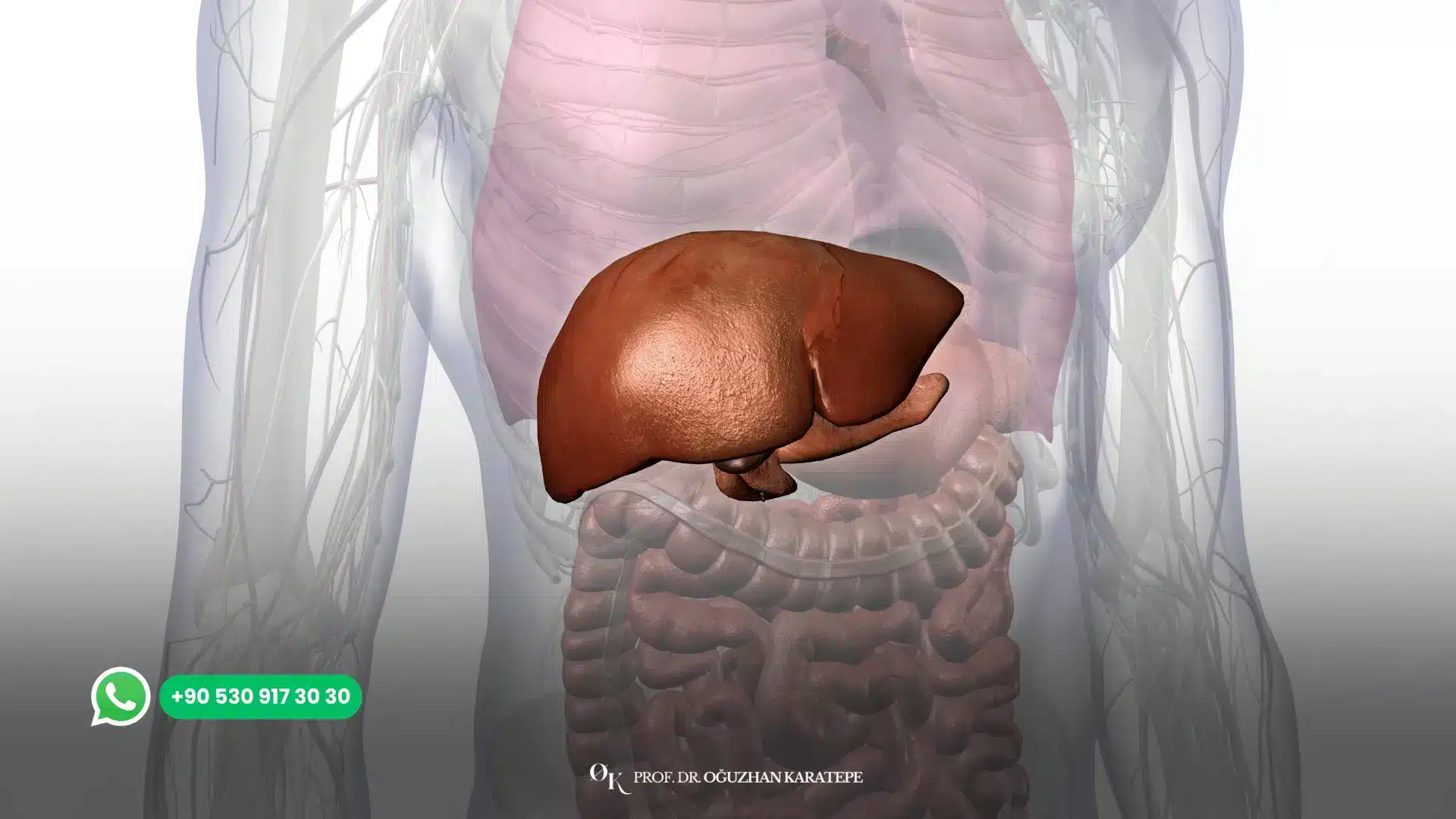
A liver resection, or hepatectomy, is the most common surgical procedure for liver cancer. This operation involves the surgical removal of the portion of the liver containing the cancerous tumor, along with a margin of healthy tissue around it to ensure no cancer cells are left behind.
The key to a successful liver resection is ensuring that the “future liver remnant” (FLR)—the part of the liver that is left behind—is large enough and healthy enough to support the body’s vital functions. The liver has a unique and remarkable ability to regenerate. After a resection, the remaining healthy liver can grow back to its original size, often within 6 to 8 weeks. This makes it possible to remove up to 60-70% of a healthy liver safely. The surgeon’s expertise lies in precisely calculating this balance to perform a complete cancer operation while ensuring patient safety.
Liver Transplant
A liver transplant is another powerful surgical option, but it is reserved for a very specific group of patients. It is typically recommended for patients who have small, early-stage tumors but whose liver is severely damaged by cirrhosis. In these cases, the underlying liver disease is as much of a threat as the cancer itself. A resection might not be safe because the remaining scarred liver would not be healthy enough to function and regenerate.
A liver transplant involves removing the entire diseased liver and replacing it with a healthy donor liver. This procedure has the dual benefit of removing the cancer and curing the underlying cirrhosis. However, due to a shortage of donor organs, patients must meet very strict criteria (known as the Milan criteria) regarding the size and number of their tumors to be eligible.
Contact
Minimally Invasive Liver Surgery (Laparoscopic and Robotic)
In the past, all liver resections were performed through a large open incision. Today, for select patients with tumors in favorable locations, we can perform the surgery using minimally invasive techniques. This involves several small incisions through which a camera and specialized instruments are inserted. This approach, whether done laparoscopically or with a robotic platform, can offer significant benefits, including:
- Less post-operative pain
- Reduced blood loss
- A shorter hospital stay
- A faster return to normal activities
Performing these complex procedures minimally invasively requires an exceptional level of advanced training and skill, representing the cutting edge of cancer liver surgery.
Who Is a Candidate for Liver Cancer Surgery?
Unfortunately, not all patients with liver cancer are candidates for surgery. The decision to proceed with an operation is based on a careful evaluation of three key areas:
- Tumor Factors: Can the tumor be completely removed? This depends on its size, location, and whether it has invaded major blood vessels within the liver. Surgery is generally not a curative option if the cancer has spread outside the liver.
- Liver Function: Is the remaining liver healthy enough? A patient with advanced cirrhosis may not have enough functional liver reserve to tolerate a resection, even if the tumor is small.
- Patient Fitness: Is the patient strong enough to withstand a major operation? A thorough assessment of heart, lung, and kidney function is performed.
An expert liver surgeon’s role is to carefully assess these factors and determine if a patient can safely undergo a curative resection. In some borderline cases, other treatments may be used first to shrink the tumor or improve liver function to make a patient a better surgical candidate.
Contact

The Surgical Journey: What to Expect
Undergoing a liver resection is a major event. We are committed to guiding you through every phase of the process.
Preparing for Your Operation
Preparation involves a comprehensive pre-operative workup, including detailed imaging, blood tests to assess liver function, and a review of your overall health. For some patients, a procedure called “portal vein embolization” may be performed weeks before surgery to encourage the healthy part of the liver to grow, making a larger resection safer.
The Day of Surgery and Hospital Recovery
Liver resection is performed under general anesthesia and can take several hours. After the operation, you will be monitored closely in an intensive care or high-dependency unit for the first day or two. The total hospital stay is typically around 5 to 7 days. Our team will manage your pain, help you start walking to prevent complications, and monitor your liver function as it begins to recover and regenerate.
Life After Liver Resection
Recovery at home takes time. It’s normal to feel tired for several weeks as your body heals and the liver regrows. You will have restrictions on heavy lifting for about 6-8 weeks. Most patients can return to their normal activities, including work, within 2-3 months. Long-term, most people who had a healthy liver before surgery can live a completely normal life with no dietary restrictions, as the liver regenerates to provide full function.
Surgery for Metastatic Liver Cancer
It is crucial to differentiate the surgical treatment of primary liver cancer from metastatic liver cancer. When cancer from another organ, such as the colon, rectum, or breast, spreads to the liver, surgery can still offer a chance for a cure in select patients. This is most common with colorectal liver metastases.
If a patient has colorectal cancer that has spread *only* to the liver, a combined approach of chemotherapy and surgery to remove the liver tumors can lead to long-term survival and potential cure for a significant number of patients. This type of complex care requires close collaboration between a medical oncologist and an expert liver surgeon like Prof. Dr. Karatepe.
Contact
Key Takeaways
- Surgery is the Cornerstone of a Cure: For localized primary liver cancer, liver cancer surgery (resection or transplant) is the most effective treatment and offers the only potential for a cure.
- Expertise is Paramount: Liver surgery is complex. Outcomes are directly linked to the skill and experience of your surgeon. A specialist HPB surgeon is essential.
- Not Everyone is a Candidate: Eligibility for surgery depends on tumor characteristics, the health of your underlying liver, and your overall fitness.
- The Liver Regenerates: The liver’s unique ability to regrow allows for large resections to be performed safely in patients with a healthy liver remnant.
- Hope for Metastatic Disease: Surgery can also be a curative option for select patients whose cancer has spread to the liver from other organs, particularly colorectal cancer.

Your Next Step: A Surgical Consultation
A diagnosis of liver cancer is a call to action. The most critical step you can take is to seek an opinion from a surgeon who specializes in this exact disease. A consultation with an expert will provide you with a clear understanding of whether liver cancer can be removed with surgery in your specific case, and what the comprehensive plan for your liver cancer treatment should be.
Prof. Dr. Oguzhan Karatepe is a world leader in liver surgery. For over 25 years, he has been performing these complex operations, giving patients from around the globe their best chance at a positive outcome. His expertise is your most powerful asset in this fight. He and our entire team are dedicated to providing a level of care that is not only technically superb but also deeply compassionate and supportive.
You deserve to know all your options from a true expert. Let us provide you with that clarity and hope.
Contact us now to arrange a confidential consultation for you or your loved one. When facing liver cancer, there is no substitute for experience. Let us provide you with the expert surgical opinion you need to build your plan for a healthier future.
Contact
Frequently Asked Questions (FAQ) About Liver Cancer Surgery
Basics of Liver Surgery
1. What is liver cancer surgery?
It is an operation to remove cancerous tumors from the liver. The most common type is a liver resection (hepatectomy), where the part of the liver containing the tumor is removed.
2. Can liver cancer be removed with surgery?
Yes, if the cancer is confined to the liver and has not spread to distant sites, it can often be removed surgically.
3. Is surgery the only treatment for liver cancer?
No, there are many liver cancer treatment options, including ablation, embolization, and medication. However, surgery is the primary treatment that offers a chance for a cure.
4. Can liver cancer be cured without surgery?
In very rare cases of tiny tumors, ablation can be considered curative. However, for the vast majority of patients seeking a cure, the answer to “can liver cancer be cured without surgery” is no. Surgery is essential.
5. What is a liver resection?
It is the surgical removal of a portion of the liver.
6. What is a hepatectomy?
Hepatectomy is the medical term for a liver resection.
7. How much of the liver can be removed?
If the liver is otherwise healthy, a surgeon can safely remove up to 60-70% of it, as the remaining portion will regenerate.
8. Does the liver grow back?
Yes, the liver has a unique and powerful ability to regenerate, typically growing back to its original size within several weeks to months after surgery.
9. Who performs liver cancer surgery?
It should be performed by a specialist surgeon with advanced training in Hepatobiliary and Pancreatic (HPB) surgery.
10. Is liver surgery a major operation?
Yes, it is considered a major and complex abdominal surgery requiring a significant recovery period.
Candidacy and Procedure
11. How do I know if I am a candidate for surgery?
This is determined by your surgical team based on detailed imaging (CT/MRI), blood tests to assess your liver function, and an evaluation of your overall health.
12. What would make me NOT a candidate for surgery?
Reasons could include the cancer having spread outside the liver, the tumor involving all the major blood vessels, or having severe underlying cirrhosis that leaves too little healthy liver behind.
13. What is cirrhosis and why does it matter?
Cirrhosis is severe scarring of the liver. A cirrhotic liver does not regenerate well and has poor function, making a large resection very risky.
14. Can surgery be performed if there are multiple tumors?
Yes, as long as all the tumors can be safely removed while leaving a sufficient and healthy future liver remnant.
15. How long does the surgery take?
A liver resection can take anywhere from 2 to 6 hours, depending on the complexity and size of the portion being removed.
16. Is the surgery done with a large incision?
Traditionally, yes, via a large “rooftop” incision. However, for suitable cases, it can be done with minimally invasive (laparoscopic or robotic) techniques through small incisions.
17. What is robotic liver surgery?
This is an advanced minimally invasive approach where the surgeon uses a robotic platform to enhance precision, dexterity, and vision during the operation.
18. What is a liver transplant for cancer?
It is an operation to remove the entire diseased liver and replace it with a healthy donor liver. It’s an option for patients with early cancer but advanced cirrhosis.
19. What is portal vein embolization (PVE)?
PVE is a pre-operative procedure where an interventional radiologist blocks the blood supply to the part of the liver that will be removed. This tricks the other side into growing larger *before* the surgery, making a larger resection safer.
20. What is the difference between primary and metastatic liver cancer surgery?
The surgical technique is similar, but the overall treatment strategy is different. For metastatic cancer, surgery is often combined with systemic chemotherapy directed at the original cancer type (e.g., colon cancer).
Contact
Recovery and Life After Surgery
21. What is the recovery time for liver cancer surgery?
The hospital stay is typically 5-7 days. Full recovery to normal energy levels can take 6-8 weeks or longer.
22. How much pain will I have?
Pain is expected after a major operation but is well-controlled with medications, often with an epidural or patient-controlled pump in the first few days.
23. Will I be in the ICU?
Most patients spend the first 1-2 nights in an ICU or high-dependency unit for close monitoring after surgery.
24. When can I eat after surgery?
Your diet will be advanced slowly, starting with clear liquids the day after surgery and gradually progressing to solid foods over several days.
25. Will I need a special diet for the rest of my life?
No, once the liver has regenerated, most patients can eat a normal, healthy diet without specific restrictions.
26. Can I drink alcohol after liver surgery?
It is strongly recommended to avoid alcohol completely to protect your remaining liver tissue and allow it to function optimally.
27. When can I go back to work?
This depends on your job. For a desk job, you may be able to return in 4-6 weeks. For a physically demanding job, it may be 2-3 months.
28. What are the restrictions after surgery?
The main restriction is to avoid heavy lifting (more than 10 lbs / 5 kg) for about 6-8 weeks to allow your abdominal incision to heal properly.
29. Can I exercise after I recover?
Yes, returning to regular physical activity is an important part of your long-term health and well-being.
30. Will my life be normal after liver resection?
Yes, the goal of the surgery is to cure the cancer and allow you to return to a full and normal life.
Risks and Complications
31. What are the main risks of liver surgery?
The main risks include bleeding, infection, blood clots, complications affecting the lungs or heart, and bile leak.
32. What is a bile leak?
A bile leak is a complication where bile leaks from the raw, cut surface of the liver. Most leaks are minor and can be managed with a temporary drain, but sometimes another procedure is needed to fix it.
33. What is liver failure?
This is a very rare but serious complication where the remaining liver is not sufficient to support the body’s functions. This is why careful pre-operative planning to ensure a large enough liver remnant is so critical.
34. How does an expert surgeon minimize risks?
Through meticulous surgical technique, careful management of blood vessels, advanced energy devices to seal the liver, and performing a bile leak test at the end of the operation.
35. Will I need a blood transfusion?
Expert liver surgeons can often perform major resections with minimal blood loss, but blood is always available if needed.
36. Can the cancer come back after surgery?
Yes, there is a risk of cancer recurrence, either in the remaining liver or elsewhere in the body. This is why regular follow-up with scans is essential.
37. What happens if the cancer recurs in the liver?
Depending on the situation, a repeat liver resection or other treatments like ablation may be possible.
38. What is the mortality rate for liver resection?
At high-volume centers of excellence, the risk of dying from the surgery is very low, typically less than 3%.
39. Do I need to worry about the liver not growing back?
If the underlying liver is healthy (not cirrhotic), regeneration is a very reliable and powerful biological process.
40. What are the side effects of a liver transplant?
The main side effect is the need to take lifelong immunosuppressant medications, which can increase the risk of infections and other health issues.
Contact
Other Liver Cancer Treatments
41. If I can’t have surgery, what are my other options?
The main liver cancer treatment options for inoperable tumors are loco-regional therapies like ablation and embolization (TACE), or systemic therapies like targeted drugs and immunotherapy.
42. What is ablation?
Ablation uses a needle probe to deliver energy (heat or microwave) directly into the tumor to destroy it. It is very effective for small tumors.
43. What is TACE?
TACE (Trans-arterial Chemoembolization) is a procedure that delivers high-dose chemotherapy directly to the liver tumor and blocks its blood supply.
44. What is immunotherapy?
Immunotherapy is a powerful type of drug that helps your own immune system to recognize and attack cancer cells.
45. Can these other treatments cure me?
For very small tumors (less than 3 cm), ablation can be considered curative. TACE and systemic therapies are generally used to control the cancer, not cure it.
46. What is a “bridge to transplant”?
This is when treatments like TACE or ablation are used to keep a tumor from growing while a patient is on the waiting list for a liver transplant.
47. Can chemotherapy be used for primary liver cancer?
Traditional chemotherapy is not very effective. That’s why specialized treatments like TACE, targeted therapy, and immunotherapy are used instead.
48. What is a multidisciplinary tumor board?
It is a meeting where all the different specialists review a patient’s case together to decide on the best possible treatment plan.
49. Can treatments be combined?
Yes, combining treatments is very common. For example, a patient might have TACE followed by surgery, or surgery followed by systemic therapy if there is a high risk of recurrence.
50. What is the most exciting new treatment for liver cancer?
The combination of immunotherapy and targeted therapy has revolutionized the treatment of advanced liver cancer, significantly improving survival rates in recent years.
51. Why is an HPB surgeon important for the whole liver and cancer treatment plan?
An HPB surgeon is the captain of the ship. They determine if surgery is possible and help coordinate with other specialists to create the optimal treatment sequence for the patient.
52. Can radiation be used to treat liver cancer?
Yes, a specialized form of highly focused radiation called SBRT (Stereotactic Body Radiation Therapy) can be used to treat liver tumors, especially when surgery or ablation are not possible.
53. What is TARE or SIRT?
This is another form of embolization (like TACE) that uses tiny radioactive beads to deliver radiation directly to the tumor via its blood supply.
54. How do you choose between TACE and ablation?
This depends on the size, location, and number of tumors. Ablation is generally for smaller, fewer tumors, while TACE can treat larger or more numerous tumors.
55. Is there a role for traditional chemotherapy at all?
For metastatic liver cancer (e.g., from the colon), traditional chemotherapy is a mainstay of treatment. For primary liver cancer (HCC), it is rarely used.
56. What are targeted therapy drugs?
These are pills that block specific signals that cancer cells need to grow or develop blood vessels.
57. Can I get these newer treatments at any hospital?
Access to the full range of modern therapies is often best at a major comprehensive cancer center or a specialized liver center.
58. What is a clinical trial?
A clinical trial is a research study that allows patients to access new and promising treatments that are not yet standard practice.
59. Should I consider a clinical trial?
This is an excellent question to discuss with your doctor. For advanced disease, a clinical trial can be a very good option.
60. Do non-surgical treatments have side effects?
Yes, all treatments have potential side effects. For example, TACE can cause a flu-like syndrome, and immunotherapy can cause immune-related reactions.
Contact
Miscellaneous Questions
61. What is the most important factor for a good outcome?
For patients with operable disease, the single most important factor is a complete surgical removal of the tumor by an expert liver surgeon.
62. How do I prepare for my surgery?
The best preparation is to optimize your health: eat a nutritious diet, engage in light exercise like walking, and abstain from alcohol and smoking.
63. Can I have visitors in the hospital?
Yes, family support is a very important part of recovery.
64. What is the first thing I will eat after surgery?
You will start with sips of water and progress to clear liquids like broth or juice.
65. What does the liver do?
The liver is a powerhouse organ with over 500 functions, including detoxification, protein synthesis, and producing bile for digestion.
66. How can I keep my liver healthy?
Maintain a healthy weight, avoid excessive alcohol, get vaccinated for Hepatitis B, and get treated for Hepatitis C if you have it.
67. What is an HPB specialist?
HPB stands for Hepato-Pancreato-Biliary. It is the surgical specialty that focuses on the liver, pancreas, and bile ducts.
68. Why is it important to see a specialist?
A specialist has the depth of knowledge and experience to offer you the full range of treatment options and to perform complex procedures safely.
69. Can I get a second opinion from your team?
Yes, we offer remote second opinion services for international patients where Prof. Dr. Karatepe can review your medical records and scans.
70. What is the first step to get a consultation?
Contact our international patient team through our website or by phone. They will guide you on the next steps.
71. What if I am told I am “inoperable”?
It is always worth getting a second opinion from a high-volume, specialist liver surgeon. They may have different criteria or be able to use techniques to make surgery possible.
72. How long after surgery will I know if the cancer is gone?
The pathology report after surgery will tell you if the tumor was removed with clean margins. Follow-up scans will then monitor for any recurrence.
73. What is a “margin”?
A margin is the edge of healthy tissue that the surgeon removes around the tumor. A “negative” or “clean” margin means there are no cancer cells at this edge.
74. What if my margins are “positive”?
This means microscopic cancer cells were left at the edge of the resection. In this case, additional treatment like radiation or chemotherapy is often recommended.
75. How often will I need follow-up scans?
Typically, you will have CT or MRI scans every 3-6 months for the first few years, and then annually after that.
76. Can I feel my liver regenerating?
No, you cannot feel the process, but you will notice your energy levels gradually improving as your liver function returns to normal.
77. Will I have to take any new medications for life (after resection)?
Usually not. Unlike a transplant, you do not need anti-rejection medications after a liver resection.
78. What if the tumor is very large? Can it still be removed?
Sometimes, yes. The ability to remove a tumor depends more on its location and what’s left behind than on its absolute size.
79. What is a two-stage hepatectomy?
This is an advanced strategy for patients with tumors in both lobes of the liver. The surgeon removes tumors from one side, waits for the liver to regrow, and then performs a second operation to clear the other side.
80. Why choose Prof. Dr. Karatepe for my liver surgery?
Because you are choosing a surgeon with over two decades of specialized experience, a high volume of successful cases, and a global reputation for excellence in this specific, demanding field.
81. What is HCC (Hepatocellular Carcinoma)?
HCC is the most common type of primary liver cancer.
82. What is Cholangiocarcinoma?
This is a cancer of the bile ducts. If it is located within the liver, its treatment can also involve liver resection.
83. Does my blood type matter for a liver resection?
No, your blood type does not affect a resection. It is critically important for a liver transplant, however.
84. How do I prepare for my consultation?
Write down all your questions in advance and gather all your recent medical records, imaging reports, and lab results.
85. Can my family talk to the surgeon?
Yes, we encourage family members to be part of the consultation process.
86. What is the role of the anesthetist?
The anesthetist is a crucial team member who keeps you safe and comfortable under general anesthesia during the long operation.
87. Will I remember the surgery?
No, you will be under general anesthesia and will have no memory of the operation itself.
88. How soon after surgery can I travel?
For a major liver resection, you will need to recover locally for at least 2-3 weeks after hospital discharge before being cleared for a long-haul flight.
89. What is the best diet for liver health?
A diet low in processed foods, sugar, and unhealthy fats, and rich in fruits, vegetables, lean protein, and whole grains. Coffee has also been shown to be beneficial for the liver.
90. What is an interventional radiologist?
They are specialist doctors who perform minimally invasive, image-guided procedures like ablation and TACE.
91. How do I manage the emotional stress of a cancer diagnosis?
Rely on your support system, focus on one day at a time, and don’t be afraid to seek professional help from a counselor or therapist.
92. Is there a “best” treatment for liver cancer?
The “best” treatment is a personalized plan created by a multidisciplinary team of experts based on the specifics of your case.
93. Will I need chemotherapy after surgery?
For primary liver cancer (HCC), adjuvant chemotherapy after surgery is not standard practice, unlike in colon or pancreatic cancer. This decision is made on a case-by-case basis.
94. What is the difference between a lobe and a segment of the liver?
The liver is divided into two main lobes (right and left), which are further subdivided into eight functional segments. Surgeons can perform resections along these segmental planes.
95. What if I have cirrhosis AND my tumor is too large for a transplant?
This is a challenging situation. Sometimes, treatments like TACE can be used to shrink the tumor to bring it within transplant criteria (“downstaging”).
96. Can I feel the tumor in my liver?
Usually not. A doctor may be able to feel an enlarged liver during a physical exam, but patients typically cannot feel the tumor itself.
97. What is the most important message for a newly diagnosed patient?
Do not panic. Your first and most critical step is to get an opinion from a center that specializes in liver cancer to ensure you understand all of your options.
98. How do I know if I have cirrhosis?
Many people with early cirrhosis have no symptoms. It is often diagnosed with blood tests, an ultrasound, or a special scan called a FibroScan.
99. Can I live a normal life with one kidney and part of my liver?
People can live a perfectly normal life with just part of their liver, as it regenerates. The number of kidneys is a separate issue.
100. I am ready to get an expert opinion. What do I do?
Contact our international patient coordination team today. They will guide you through the simple process of having your case reviewed by Prof. Dr. Karatepe.
Contact
References
We base our practice and information on the highest standards set by leading global medical authorities and cancer research organizations. The content on this page is informed by:
- The American Cancer Society (ACS). (n.d.). Surgery for Liver Cancer. https://www.cancer.org/cancer/types/liver-cancer/treating/surgery.html
- American Liver Foundation. (n.d.). Liver Cancer Treatment. https://liverfoundation.org/for-patients/about-the-liver/diseases-of-the-liver/liver-cancer/liver-cancer-treatment/
- National Cancer Institute (NCI). (n.d.). Liver and Bile Duct Cancer Treatment (PDQ®)–Patient Version. https://www.cancer.gov/types/liver/patient/liver-treatment-pdq
Please note: This information is for general purposes only. For personalized treatment advice, please contact us directly.