
Colon Cancer: A Complete Guide to Symptoms, Screening, and Treatment
A diagnosis of Colon Cancer, or hearing that you may have symptoms, can be a source of significant anxiety and concern. We understand the questions and fears that arise during this time. The purpose of this comprehensive guide is to provide you with clear, authoritative, and hopeful information. Colon cancer is a serious disease, but it’s also important to know that it is highly preventable through screening and very treatable, especially when detected early. Knowledge is your most powerful tool, and we are here to provide it.
This page will walk you through everything from the first signs of colon cancer to the latest treatment options. At our center, led by world-renowned surgeon Prof. Dr. Oguzhan Karatepe, we are committed to providing the highest standard of care, from preventive screening to advanced surgical treatment. Our goal is to be your trusted partner, guiding you with expertise and compassion every step of the way.
Contact

Meet Prof. Dr. Oguzhan Karatepe: Your Colon Cancer Specialist
The surgical treatment of colon cancer requires a surgeon with deep expertise in colorectal and gastrointestinal oncology. We are proud to have Prof. Dr. Oguzhan Karatepe, a world-class general and colorectal surgeon, leading our team. With a distinguished career spanning over 25 years, Prof. Dr. Karatepe is globally recognized as a leading expert in performing both open and minimally invasive surgery for colon cancer.
Prof. Dr. Karatepe’s authority in the field is backed by his advanced training at the world’s most respected medical institutions and his contribution of more than 100 prestigious national and international academic publications. He has dedicated his career to mastering the intricate procedures required to not only remove the cancer completely but also to preserve function and ensure a faster recovery for his patients. Patients from the USA, UK, Canada, Australia, and worldwide trust Prof. Dr. Karatepe for his meticulous surgical skill and his commitment to providing comprehensive, compassionate care. When facing a colon cancer diagnosis, you need a surgeon with a proven track record of excellence. We are here to provide that for you.
With over 25 years of experience, we perform these surgeries with expertise. Contact us now to find the best solution for your health.
Contact

What Is Colon Cancer?
To understand what is colon cancer, it helps to understand the colon itself. The colon, also known as the large intestine, is a long, tube-like organ at the end of your digestive tract. Its primary role is to absorb water and electrolytes from digested food, forming stool to be eliminated from the body. Rectal cancer starts in the rectum, the last several inches of the colon. Together, they are often referred to as colorectal cancer.
Colon cancer typically begins as a small, non-cancerous growth called a polyp, which develops on the inner lining of the colon. Over a period of several years, some of these polyps can undergo genetic changes and transform into cancer. The cancer can then grow deeper into the layers of the colon wall and may eventually spread (metastasize) to nearby lymph nodes and other parts of the body, such as the liver or lungs. The fact that it starts as a polyp is crucial, as this provides a unique opportunity for prevention.
Colon Cancer Symptoms: What to Watch For
In its early stages, colon cancer may cause no symptoms at all. This is why screening is so vitally important. As a tumor grows, however, it can cause persistent signs and symptoms that should never be ignored. Recognizing these colon cancer symptoms can lead to an earlier diagnosis and a much better outcome.
Many patients who ask “how I knew I had colon cancer” describe a subtle but persistent change that was different from their normal digestive pattern. The most common signs of colon cancer include:
- A Persistent Change in Bowel Habits: This is a key symptom. It can include ongoing diarrhea, constipation, or a change in the consistency or caliber (e.g., narrow, pencil-thin stools) of your stool that lasts for more than a few weeks.
- Rectal Bleeding or Blood in Your Stool: Seeing bright red blood on the toilet paper, in the toilet bowl, or having very dark, almost black, tarry stools.
- Persistent Abdominal Discomfort: Ongoing cramps, gas, or pain in your abdomen or pelvic area.
- A Feeling That Your Bowel Doesn’t Empty Completely: A sensation of needing to have a bowel movement that is not relieved by doing so.
- Unexplained Anemia (Iron Deficiency): A slow, chronic bleed from a tumor can lead to a low red blood cell count, causing persistent fatigue and weakness. Often, anemia is the very first sign detected on a routine blood test.
- Unexplained Weight Loss: Losing weight without a change in your diet or exercise habits.
The primary symptoms of colon cancer in women are the same as for men. However, symptoms like abdominal cramping, bloating, and fatigue can sometimes be mistaken for menstrual or gynecological issues, which can unfortunately lead to delays in seeking a diagnosis. It is crucial for anyone, regardless of gender, to take these persistent symptoms of colon cancer seriously.
Contact

The Importance of Colon Cancer Screening: Prevention and Early Detection
Colon cancer is unique among major cancers because it is one of the most preventable. The goal of colon cancer screening is not just to find cancer early, but to prevent it from ever starting. This is possible because colon cancer almost always begins as a pre-cancerous polyp.
The gold standard for screening is the **colonoscopy**. During a colonoscopy, a doctor uses a thin, flexible tube with a camera to examine the entire inner lining of your colon and rectum. If any polyps are found, they can be removed right then and there, during the same procedure. By removing these polyps, we remove the risk of them ever turning into cancer.
Current guidelines in many countries, including the USA, recommend that average-risk individuals begin regular colon cancer screening at age 45. If you have a family history or other risk factors, you may need to start even earlier. A colonoscopy can truly be a life-saving procedure.
Contact
Colon Cancer in Young People: A Rising Concern
One of the most alarming trends in recent years is the fact that colon cancer is rising in young people. While it has historically been considered a disease of older adults, rates of colon and rectal cancer have been increasing sharply in individuals under the age of 50. This has led to the lowering of the recommended screening age from 50 to 45.
It is absolutely critical for younger adults to be aware of the symptoms and to advocate for themselves with their doctors. Symptoms like rectal bleeding or a persistent change in bowel habits should never be dismissed as “just hemorrhoids” or “IBS” in a younger person without a proper evaluation. If you are under 50 and have persistent symptoms, do not ignore them. Insist on a thorough investigation, which may include a colonoscopy.
What Causes Colon Cancer? Understanding the Risk Factors
The direct answer to “what causes colon cancer?” involves a complex interplay of genetics and lifestyle, but several key risk factors are well-established.
- Age: The risk increases significantly with age, though as noted, it is rising in younger people.
- Personal History of Polyps or Colon Cancer: If you’ve had pre-cancerous polyps or colon cancer before, your risk of developing it again is higher.
- Inflammatory Bowel Disease (IBD): Chronic inflammation from conditions like Crohn’s disease or ulcerative colitis significantly increases risk over time.
- Family History and Genetics: Having a first-degree relative (parent, sibling, child) with colon cancer increases your risk. Certain inherited genetic syndromes, like Lynch syndrome and Familial Adenomatous Polyposis (FAP), carry a very high lifetime risk.
- Lifestyle Factors: A diet low in fiber and high in red and processed meats, a lack of regular physical activity, obesity, smoking, and heavy alcohol use are all linked to an increased risk.
Contact
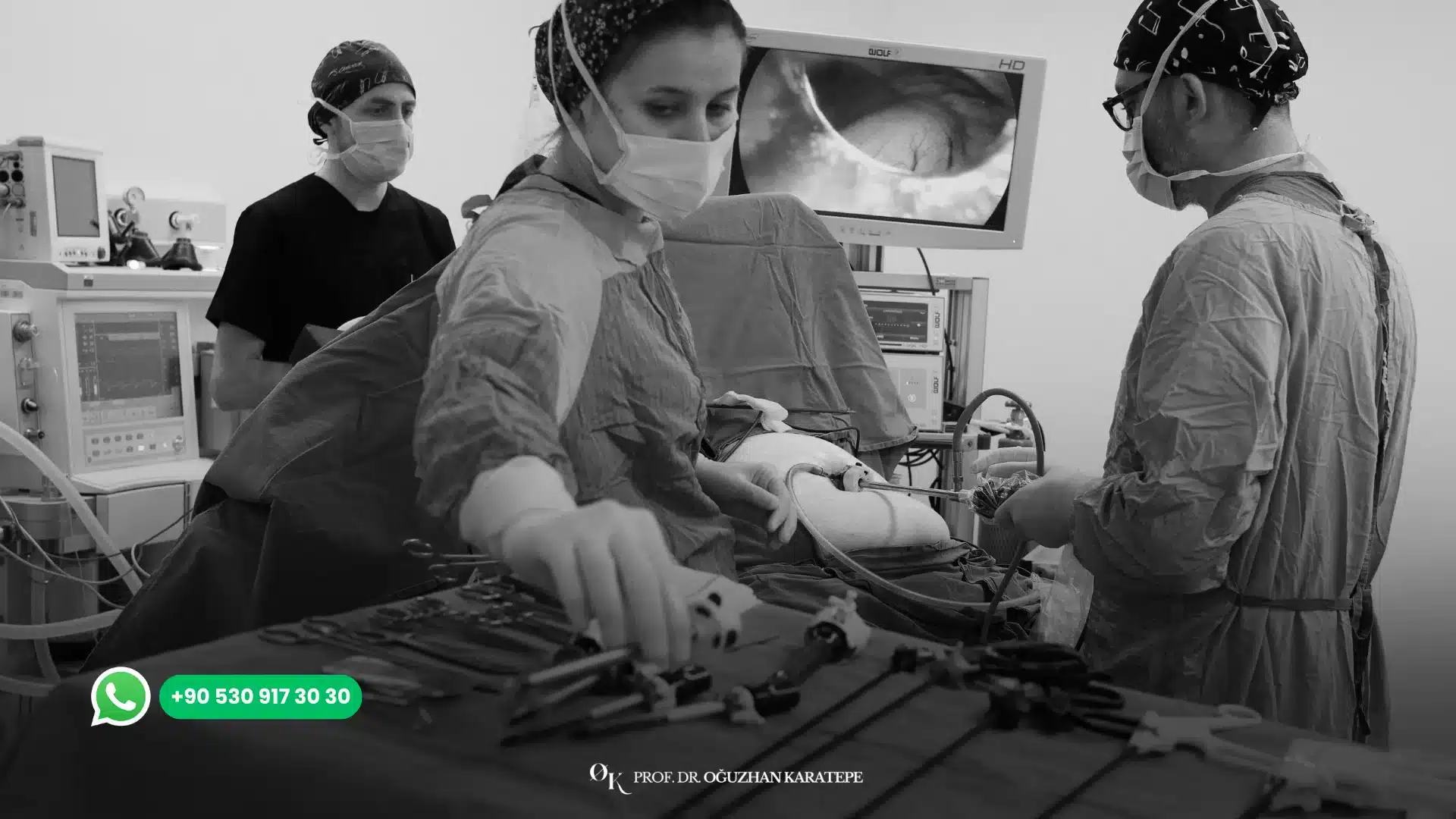
Treatment for Colon Cancer: A Multidisciplinary Approach
The treatment for colon cancer is highly effective, especially in the early stages. The plan is always multidisciplinary, involving a surgeon, a medical oncologist, and sometimes a radiation oncologist.
Surgery: The Primary Treatment for a Cure
For localized colon cancer (Stages I, II, and III), surgery is the primary treatment and offers the only potential for a cure. The operation is called a **colectomy**. The goal is to remove the segment of the colon containing the tumor, along with a margin of healthy colon on either side and the associated blood vessels and lymph nodes. The two ends of the colon are then reconnected (anastomosis).
In the vast majority of cases, this surgery can be performed using minimally invasive techniques (laparoscopic or robotic surgery). This approach uses several small incisions instead of one large one, leading to less pain, a shorter hospital stay, and a much faster recovery.
Chemotherapy and Other Drug Therapies
Chemotherapy plays a crucial supportive role.
- Adjuvant Chemotherapy: For Stage III and some high-risk Stage II colon cancer, chemotherapy is given *after* surgery to destroy any microscopic cancer cells that may have escaped, significantly reducing the risk of recurrence.
- For Advanced Cancer: For Stage IV cancer that has spread to other organs, chemotherapy is the primary treatment to control the disease. It is often combined with targeted therapies or immunotherapy based on the tumor’s specific biomarkers.
Contact
Colon Cancer Survival Rate: Understanding the Statistics
It is important to discuss the colon cancer survival rate with a message of hope, because the outlook is very positive when the disease is found early. The survival rate is entirely dependent on the stage at diagnosis.
- Localized (Stage I & II): When colon cancer is found while it is still confined to the colon wall, the 5-year survival rate is over 90%. This highlights the life-saving power of screening.
- Regional (Stage III): If the cancer has spread to nearby lymph nodes, the 5-year survival rate is still very good, around 70%. This is where the combination of expert surgery and post-operative chemotherapy is critical.
- Distant (Stage IV): If the cancer has spread to distant organs like the liver or lungs, the 5-year survival rate is much lower, around 15%. However, even in Stage IV, surgery to remove both the colon tumor and isolated metastases (e.g., in the liver) can offer a chance for a cure for some patients.
These statistics send a clear message: early detection through screening is the key to an excellent prognosis.
Contact
Key Takeaways
- A Preventable Disease: Colon cancer is highly preventable through regular screening colonoscopies that can find and remove pre-cancerous polyps.
- Know the Symptoms: Do not ignore persistent symptoms of colon cancer like changes in bowel habits or rectal bleeding. See a doctor promptly.
- It Affects Young People Too: Be aware that colon cancer is rising in young people. Advocate for yourself if you have symptoms, regardless of your age.
- Surgery is the Cure: For localized colon cancer, expert surgery to remove the tumor and lymph nodes is the foundation of curative treatment.
- Prognosis is Excellent When Caught Early: The colon cancer survival rate is very high for early-stage disease, reinforcing the importance of screening.

Your Next Step: Screening and Expert Consultation
Whether you are experiencing concerning symptoms, are due for a screening, or have received a diagnosis of colon cancer, your next step is to take action. The power to fight this disease lies in prevention, early detection, and expert treatment. A consultation with a specialist can provide peace of mind and a clear path forward.
Prof. Dr. Oguzhan Karatepe is a world-renowned expert in the surgical treatment of colon cancer. With his over 25 years of experience, he has performed countless colectomies, specializing in minimally invasive techniques that offer patients a faster, less painful recovery. He and our team are committed to providing not only the highest level of surgical care but also the guidance and support you need through every step of your journey, from diagnosis to recovery.
You have the power to take control of your health today.
Contact us now to arrange a confidential consultation. Whether you need a screening colonoscopy or have been diagnosed and need an expert surgical opinion, we are here to help you with world-class care.
Contact
Frequently Asked Questions (FAQ) About Colon Cancer
Symptoms and Signs
1. What is the most common sign of colon cancer?
A persistent change in your bowel habits (like diarrhea or constipation) and/or blood in your stool are the most common signs.
2. What does colon cancer blood in stool look like?
It can be bright red blood on the toilet paper or in the bowl, or it can make the stool look very dark, black, and tarry.
3. Are colon cancer symptoms in women different?
No, the symptoms of colon cancer in women are the same as in men. However, women may sometimes mistake symptoms like bloating or cramping for gynecological issues.
4. Can you have colon cancer without symptoms?
Yes, in its early stages, colon cancer and pre-cancerous polyps often cause no symptoms at all. This is why screening is vital.
5. What does colon cancer pain feel like?
It’s often described as persistent cramps, gas pains, or a general ache in the abdomen that doesn’t go away.
6. Can colon cancer cause back pain?
Yes, if a tumor in the back of the colon grows large enough, it can press on nerves and cause back pain.
7. How did you know you had colon cancer?
Many patients say “how I knew I had colon cancer” was that they just didn’t feel right. They had persistent fatigue, a change in their bowel routine that wasn’t normal for them, or saw blood and knew they needed to get it checked.
8. Is unexplained anemia a sign of colon cancer?
Yes, it is a very common sign. A slow, unnoticed bleed from a tumor can lead to iron deficiency anemia.
9. Can constipation be a sign?
Yes, a persistent, new onset of constipation or a feeling that your bowel won’t empty completely can be a symptom.
10. Do colon cancer symptoms come and go?
They can, but the key is that they are persistent over a period of weeks or months. They do not resolve completely on their own.
Contact
Screening and Prevention
11. What is colon cancer screening?
It is the process of testing for colon cancer or pre-cancerous polyps in people who have no symptoms.
12. What is the best screening test?
A colonoscopy is the gold standard because it can both detect and remove pre-cancerous polyps in the same procedure, effectively preventing cancer.
13. What is a colonoscopy?
It is a procedure where a doctor uses a thin, flexible tube with a camera to look at the entire inner lining of your colon and rectum.
14. When should I start screening?
For average-risk individuals, screening is now recommended to start at age 45.
15. Are there other screening tests besides colonoscopy?
Yes, there are stool-based tests (like Cologuard or FIT) that can be done at home. However, if these tests are positive, you will still need to have a colonoscopy to investigate.
16. Is the prep for a colonoscopy difficult?
The bowel prep is often considered the most challenging part, but modern prep solutions are much easier to tolerate than in the past.
17. Is a colonoscopy painful?
No, you are given sedation for the procedure, so you will be comfortable and will not feel any pain.
18. How can I prevent colon cancer?
The best way is through regular screening. Maintaining a healthy weight, being physically active, avoiding smoking, and eating a diet high in fiber can also lower your risk.
19. What is a polyp?
A polyp is a small growth on the lining of the colon. Most are benign, but one type, called an adenoma, can turn into cancer over time.
20. If a polyp is found, does that mean I have cancer?
No. Most polyps are pre-cancerous. Removing them prevents them from ever becoming cancer.
Contact
Causes and Risk Factors
21. What is the main cause of colon cancer?
Most colon cancers are sporadic and not linked to a single cause. The biggest risk factor is simply age.
22. Is colon cancer hereditary?
A family history increases your risk. About 5% of colon cancers are caused by specific inherited genetic syndromes like Lynch syndrome or FAP.
23. What is Lynch syndrome?
It is an inherited genetic condition that gives people a very high lifetime risk of developing colon cancer and other cancers, often at a young age.
24. Does diet cause colon cancer?
A long-term diet high in red meat and processed meats and low in fruits, vegetables, and whole grains is a significant risk factor.
25. Does inflammatory bowel disease (IBD) increase my risk?
Yes, having long-standing ulcerative colitis or Crohn’s disease significantly increases the risk of developing colon cancer.
26. Why is colon cancer rising in young people?
The exact reasons are still being studied, but it is thought to be related to changes in diet, lifestyle, and the gut microbiome over the last few decades.
27. If I have a family member with colon cancer, when should I be screened?
You should typically start screening 10 years before the age your relative was diagnosed, or at age 40, whichever comes first.
28. Is obesity a risk factor?
Yes, being overweight or obese is a known risk factor for colon cancer.
29. Does alcohol increase the risk?
Yes, heavy alcohol use has been linked to an increased risk of colon cancer.
30. Is there a link between diabetes and colon cancer?
Yes, people with type 2 diabetes have a higher risk of developing colon cancer.
Contact
Treatment and Surgery
31. What is the main treatment for colon cancer?
For localized colon cancer, the main treatment is surgery (a colectomy) to remove the tumor.
32. What is a colectomy?
A colectomy is the surgical removal of a part of the colon.
33. Will I need a colostomy bag?
For colon cancer surgery, a permanent colostomy bag is very rare. A temporary bag (ileostomy) is sometimes needed to let a new connection heal, and it is usually reversed a few months later.
34. Can surgery be done laparoscopically?
Yes, the vast majority of colon cancer surgeries are now performed using minimally invasive techniques (laparoscopic or robotic), which leads to a much faster recovery.
35. What is the recovery like from colon surgery?
It involves a hospital stay of a few days and a recovery period of 4-6 weeks at home.
36. Do I need chemotherapy?
If the cancer is Stage III (spread to lymph nodes) or high-risk Stage II, chemotherapy is usually given after surgery to reduce the risk of recurrence.
37. What is adjuvant chemotherapy?
It is chemotherapy given *after* the primary surgery to kill any remaining microscopic cancer cells.
38. What is the treatment for Stage 4 colon cancer?
The primary treatment is chemotherapy. However, in some cases, surgery to remove both the colon tumor and metastases (e.g., in the liver) can still offer a chance for a cure.
39. What is targeted therapy?
These are drugs that target specific proteins or pathways that cancer cells use to grow, such as EGFR or VEGF.
40. What is immunotherapy?
This treatment uses the body’s immune system to fight cancer. It is very effective for a small subset of colon cancer patients whose tumors are MSI-high.
Contact
Prognosis and Survival
41. What is the colon cancer survival rate?
The survival rate is excellent when the disease is caught early. The overall 5-year survival rate for localized colon cancer is over 90%.
42. Does the stage of cancer affect the survival rate?
Yes, stage is the most important factor. The earlier the stage, the higher the survival rate.
43. Can Stage 3 colon cancer be cured?
Yes, absolutely. With surgery followed by chemotherapy, the cure rate for Stage 3 colon cancer is very good, often over 60-70%.
44. Can Stage 4 colon cancer be cured?
Generally, it is not considered curable. However, for a select group of patients with limited spread (e.g., only to the liver or lung), aggressive treatment with chemotherapy and surgery can lead to long-term survival and potential cure.
45. What is the most important factor for a good prognosis?
Early detection through screening. The second most important is a complete surgical resection by an expert colorectal surgeon.
46. Can colon cancer come back?
Yes, there is a risk of recurrence, which is why chemotherapy is used for later stages and why follow-up surveillance is so important.
47. What does “median survival” mean?
It is a statistical midpoint. It does not predict how long an individual patient will live.
48. Is the prognosis different for younger patients?
Cancers in younger people can sometimes be more aggressive, but younger patients are also often healthier and can tolerate more aggressive treatments, which can lead to good outcomes.
49. What is an R0 resection?
It is a surgical term meaning the entire tumor was removed with “clean” or “negative” margins, which is the goal of any cancer surgery.
50. How do I maintain a positive outlook?
By focusing on the fact that colon cancer is highly treatable and curable, especially when you have an expert team and a solid treatment plan.
Miscellaneous Questions
51. What is the difference between colon cancer and rectal cancer?
They are very similar, but treatment for rectal cancer more often involves radiation therapy before surgery.
52. Why are lymph nodes removed during surgery?
To check if the cancer has spread to them. The number of positive lymph nodes is a key part of staging the cancer.
53. How many lymph nodes should be removed?
The standard of care is to remove at least 12 lymph nodes to ensure accurate staging.
54. How long is the surgery?
A laparoscopic colectomy typically takes 2-3 hours.
55. Is the surgery painful?
You will have post-operative pain, but it is well-managed with medication, and is much less with a laparoscopic approach compared to open surgery.
56. What will my diet be like after surgery?
You will slowly advance your diet from liquids to solid foods. Most people can return to a normal diet within a few weeks.
57. Will my bowel habits be the same after surgery?
You may have some changes, such as looser or more frequent stools, especially initially. This usually improves over time.
58. What is an anastomosis?
This is the surgical connection made between the two ends of the colon after a section has been removed.
59. What is an anastomotic leak?
This is a rare but serious complication where the new connection leaks. It can require another procedure or surgery to fix.
60. Why is an expert surgeon important?
An expert colorectal surgeon has lower complication rates, is more likely to use a minimally invasive approach, and performs a better cancer operation (e.g., lymph node removal).
61. What is FAP?
Familial Adenomatous Polyposis (FAP) is a rare genetic syndrome where people develop hundreds of polyps in their colon, giving them a nearly 100% risk of developing colon cancer if the colon is not removed.
62. What is a “watch and wait” approach?
For some rectal cancers, if chemotherapy and radiation completely eliminate the tumor, a “watch and wait” approach with close surveillance instead of immediate surgery is an option being studied.
Contact
63. Can I prevent polyps?
A healthy lifestyle can lower your risk, but the only way to deal with polyps once they have formed is to have them removed during a colonoscopy.
64. What is the first step if I have symptoms?
See your primary care doctor. They will evaluate you and refer you to a gastroenterologist for a colonoscopy if needed.
65. How long is a course of adjuvant chemotherapy?
It typically lasts for 3 to 6 months, depending on the specific regimen.
66. How is chemotherapy given?
It can be a combination of IV infusions and oral pills.
67. What is a port?
A port is a small device implanted under the skin of the chest to provide easy, long-term IV access for chemotherapy.
68. Will I lose my hair with colon cancer chemotherapy?
Some regimens can cause hair thinning, but complete hair loss is less common than with chemotherapy for other cancers like breast cancer.
69. What is neuropathy?
It is a side effect of one of the common chemo drugs (oxaliplatin), causing numbness and tingling in the hands and feet.
70. What are targeted therapy drugs for colon cancer?
These are drugs that target specific molecules like EGFR or VEGF that help the cancer grow.
71. How do I know if I’m a candidate for immunotherapy?
Your tumor biopsy will be tested for a feature called “microsatellite instability” (MSI-high). If it is positive, you are an excellent candidate for immunotherapy.
72. How often do I need follow-up colonoscopies after cancer?
You will typically have a colonoscopy one year after surgery, and then every few years after that.
73. What are CEA levels?
CEA is a tumor marker blood test. It can be used to monitor for cancer recurrence after treatment.
74. Can I exercise during chemotherapy?
Yes, light to moderate exercise is highly encouraged as it can reduce side effects and improve well-being.
75. What is the difference between a colectomy and a hemicolectomy?
A hemicolectomy (right or left) is the removal of one side of the colon, which is a type of colectomy.
76. Can colon cancer spread to the liver?
Yes, the liver is the most common site for colon cancer to metastasize.
77. If it spreads to the liver, is it still curable?
In some cases, yes. If there are a limited number of tumors in the liver, surgery to remove both the colon tumor and the liver spots can still be curative.
78. What does “palliative” mean?
Palliative care aims to relieve symptoms and improve quality of life when a cure is not possible.
79. What is a gastroenterologist?
A doctor who specializes in the digestive system. They perform colonoscopies.
80. What is a colorectal surgeon?
A surgeon who specializes in operating on the colon, rectum, and anus. Prof. Dr. Karatepe is an expert in this field.
81. Can I get a second opinion on my pathology slides?
Yes, this is an important part of a comprehensive second opinion at a major cancer center.
82. What is a “low anterior resection” (LAR)?
This is the specific surgery used to remove cancers in the rectum.
83. Will I need radiation for colon cancer?
Radiation is not typically used for colon cancer, but it is a very common part of treatment for rectal cancer.
84. What should I eat to keep my colon healthy?
A diet high in fiber from fruits, vegetables, and whole grains, and low in red and processed meats.
85. How do I prepare for my consultation?
Write down your questions, gather your medical records, and bring a family member or friend to help listen.
86. Why choose Prof. Dr. Karatepe for my surgery?
His extensive experience, specialization in colorectal cancer surgery, and expertise in minimally invasive techniques ensure you receive the highest standard of care.
87. How can I manage the fear of recurrence?
By adhering to your follow-up schedule, living a healthy lifestyle, and focusing on what you can control. Talking to other survivors can also be very helpful.
88. Will I be able to travel after my recovery?
Yes, you can absolutely return to a full and active life, including travel.
89. Can I drink coffee?
Yes, there is no restriction on coffee. Some studies even suggest it may have a protective effect.
90. What is the most important message about colon cancer?
It is preventable with screening and highly curable when caught early. Do not ignore symptoms and do not delay your screening.
91. How long is the hospital stay for laparoscopic colon surgery?
Typically 2-4 days.
92. Is a liquid diet required after surgery?
You will start on liquids and your diet will be advanced quickly over a couple of days in the hospital.
93. Will my bowel function ever be exactly the same as before?
It may be slightly different, but the vast majority of patients have very good, manageable bowel function long-term.
94. What is an ileostomy?
A temporary ileostomy is when the end of the small intestine is brought out to the skin as a stoma (bag) to divert stool while a new rectal connection heals.
95. Is a temporary bag always needed for colon cancer?
No, it is very rare for colon cancer surgery. It is more common for low rectal cancer surgery.
96. How can I reduce my risk if I have Lynch syndrome?
You will need very frequent colonoscopies, often starting in your 20s, to find and remove polyps.
97. What is the best advice for someone newly diagnosed?
Take a deep breath. Find the best expert team you can, and trust them to guide you. You can get through this.
98. Why is it important to remove lymph nodes?
Because the cancer spreads through them. Removing them is part of the cure, and counting how many are positive tells your team if you need chemotherapy.
99. Can I just have the polyp removed instead of surgery?
If cancer is found within a polyp, a segment of the colon still needs to be removed to check the lymph nodes and ensure no cancer is left in the colon wall.
100. I have symptoms but I’m afraid of what a colonoscopy might find. What should I do?
It is far better to find a polyp and prevent cancer, or find cancer early when it is curable, than to wait until it is too late. Answering the question is much less scary than living with the fear. Please get checked.
Contact
References
We base our practice and information on the highest standards set by leading global medical authorities and cancer research organizations. The content on this page is informed by:
- The American Cancer Society (ACS). (n.d.). Colorectal Cancer. https://www.cancer.org/cancer/types/colon-rectal-cancer.html
- Colorectal Cancer Alliance. (n.d.). https://www.ccalliance.org/
- National Cancer Institute (NCI). (n.d.). Colon and Rectal Cancer—Patient Version. https://www.cancer.gov/types/colorectal
Please note: This information is for general purposes only. For personalized treatment advice, please contact us directly.