
Liver Cancer: A Comprehensive Guide to Symptoms, Treatment, and Hope
Receiving a diagnosis of Liver Cancer is a life-changing event that brings a wave of questions, concerns, and a need for clear, authoritative information. We understand the journey you are embarking on, and we are here to provide a beacon of hope and expertise. This comprehensive guide is designed to be your definitive resource, explaining the types of liver cancer, the latest liver cancer treatment options, and the path toward the best possible outcome. In the fight against liver cancer, the expertise of your medical team is the most critical asset you have.
The successful treatment of this complex disease requires a highly specialized, multidisciplinary approach. At our center, led by world-renowned surgeon Prof. Dr. Oguzhan Karatepe, we are dedicated to providing just that. We combine cutting-edge surgical techniques with compassionate, patient-centered care. Our mission is to arm you with knowledge and provide you with a concrete plan, turning uncertainty into action and fear into hope.
Contact

Meet Prof. Dr. Oguzhan Karatepe: Your Liver Cancer Specialist
The treatment of liver cancer demands a surgeon with dedicated, specialized training in Hepatobiliary (HPB) surgery—the field focused on the liver, pancreas, and biliary system. We are proud to have Prof. Dr. Oguzhan Karatepe, a world-class HPB and general surgeon, as our leader. With an esteemed career spanning over 25 years, he is globally recognized as a leading expert in performing complex liver resections and other advanced cancer operations.
Prof. Dr. Karatepe’s authority in the field is backed by his advanced training at the world’s most respected medical institutions and his contribution of more than 100 prestigious national and international academic publications. His meticulous surgical skill and innovative techniques are sought by patients from the USA, UK, Canada, Australia, and around the world. They trust in his ability to handle the most challenging cases with precision and care. When facing a liver cancer diagnosis, you need a surgeon whose life’s work is dedicated to this specific disease. We are here to provide you with that level of expert care and support.
With over 25 years of experience in complex liver surgery, we are here to help. Contact us now for an expert opinion on your condition.
What Is Liver Cancer?
Liver cancer is a cancer that begins in the cells of your liver, a large, vital organ located in the upper right portion of your abdomen. The liver has many critical functions, including filtering toxins from the blood, producing bile to help digest fat, and making proteins essential for blood clotting. When cancer develops in the liver, it can disrupt these vital functions.
It’s important to understand the difference between the two main types of liver and liver cancer:
- Primary Liver Cancer: This is cancer that starts in the liver tissue itself. The most common type of primary liver cancer is Hepatocellular Carcinoma (HCC), which begins in the main type of liver cells called hepatocytes. Other, rarer types include cholangiocarcinoma (bile duct cancer) and angiosarcoma.
- Secondary or Metastatic Liver Cancer: This is cancer that starts in another part of the body and then spreads (metastasizes) to the liver. The liver’s role as the body’s filter makes it a common site for metastases. Cancers that frequently spread to the liver include colorectal (bowel) cancer, breast cancer, lung cancer, and pancreatic cancer. The treatment for metastatic liver cancer is different from primary liver cancer and is focused on the original cancer type.
Contact

Liver Cancer Symptoms: Recognizing the Early Signs
In its early stages, liver cancer often does not cause symptoms, which can make it difficult to detect. As the tumor grows, the symptoms of liver cancer may appear. Recognizing these potential signs of liver cancer is crucial for seeking timely medical evaluation.
Common liver cancer symptoms include:
- Unexplained Weight Loss: Losing a significant amount of weight without trying is a common red flag.
- Loss of Appetite or Feeling Full Quickly: Feeling full after eating only a small meal.
- Upper Abdominal Pain: Discomfort or pain in the upper right side of the abdomen, which may radiate to the back and shoulder.
- Jaundice: A yellowing of the skin and the whites of the eyes, caused by a buildup of bilirubin in the blood when the liver is not functioning properly or the bile ducts are blocked. This is often accompanied by dark urine and pale stools.
- Abdominal Swelling (Ascites): A buildup of fluid in the abdomen, causing the belly to swell and feel tight.
- Fatigue and Weakness: A persistent and profound sense of tiredness that is not relieved by rest.
- Nausea and Vomiting: A general feeling of sickness.
So, what is the first sign of liver cancer? There is no single “first” sign, but often, the earliest noticeable symptoms are persistent fatigue, upper abdominal discomfort, and unexplained weight loss. The liver cancer symptoms female patients experience are the same as those in males; there are no gender-specific signs.
What Causes Liver Cancer? Understanding the Risk Factors
While the exact trigger for the cellular mutations that lead to liver cancer is not always known, several key risk factors significantly increase a person’s chances of developing the disease. Answering “what causes liver cancer?” is primarily about understanding these underlying conditions.
The most significant risk factor for primary liver cancer (HCC) is **cirrhosis**. Cirrhosis is the severe, permanent scarring of the liver, which can be caused by:
- Chronic Viral Hepatitis: Long-term infection with Hepatitis B (HBV) or Hepatitis C (HCV) is the leading cause of liver cancer worldwide.
- Alcoholic Liver Disease: Heavy, long-term alcohol consumption can lead to cirrhosis and dramatically increases liver cancer risk.
- Non-alcoholic Fatty Liver Disease (NAFLD): This is a condition where excess fat builds up in the liver, often associated with obesity and type 2 diabetes. The more severe form, NASH (non-alcoholic steatohepatitis), can lead to cirrhosis and cancer.
- Certain Inherited Conditions: Genetic diseases like hemochromatosis (iron overload) and Wilson’s disease can also cause cirrhosis.
It’s important to note that you can develop liver cancer without having cirrhosis, but it is the strongest known risk factor.
Contact
Liver Cancer Treatment: A Multidisciplinary Approach
An effective liver cancer treatment plan is highly personalized, depending on the stage of the cancer, the health of the patient’s liver (i.e., the degree of underlying cirrhosis), and their overall fitness. Treatment is best managed by a multidisciplinary team of experts.
Surgery: Liver Resection and Transplantation
For early-stage liver cancer, surgery offers the best chance for a cure. There are two main surgical options:
- Liver Resection (Hepatectomy): If the cancer is confined to one part of the liver and the remaining liver is healthy enough, the surgeon can remove the portion of the liver containing the tumor. The liver has a unique ability to regenerate, and the remaining part can grow back to its original size within a few weeks.
- Liver Transplant: For patients with small tumors but significant underlying cirrhosis, a liver transplant may be the best option. This involves removing the entire diseased liver and replacing it with a healthy donor liver. This procedure is complex and requires patients to meet very strict criteria. The search term `liver transplant bowel cancer` likely refers to the treatment of colorectal (bowel) cancer that has spread to the liver; in some very select cases, liver transplant may be considered, but this is not standard practice.

Non-Surgical Loco-Regional Therapies
For patients who are not candidates for surgery, there are several effective therapies that treat the tumor directly within the liver:
- Ablation: This uses heat (radiofrequency ablation – RFA) or microwaves (microwave ablation – MWA) delivered through a needle-like probe to destroy small tumors.
- Embolization (TACE and TARE): These procedures involve injecting substances into the blood vessels that feed the tumor. Trans-arterial chemoembolization (TACE) delivers chemotherapy beads to block blood flow and deliver concentrated cancer-killing drugs. Trans-arterial radioembolization (TARE or SIRT) uses tiny radioactive beads to deliver targeted radiation to the tumor.
Systemic Therapies: Targeted Therapy and Immunotherapy
For advanced liver cancer that has spread beyond the liver, systemic therapies (drugs that travel throughout the bloodstream) are used. In recent years, treatment has been revolutionized by:
- Targeted Therapy: These drugs work by blocking specific pathways that cancer cells use to grow and form new blood vessels.
- Immunotherapy: These powerful drugs unleash the body’s own immune system to recognize and attack cancer cells. The combination of targeted therapy and immunotherapy has become a new standard of care for advanced liver cancer.
Contact
Liver Cancer Prognosis and Survival Rates: A Realistic Perspective
Understanding the liver cancer prognosis is a primary concern for every patient. The liver cancer survival rate depends heavily on the stage at which the cancer is diagnosed and the treatment received. It is crucial to remember that statistics represent population averages and cannot predict an individual’s outcome.
For localized liver cancer that can be completely removed with surgery, the 5-year survival rate can be as high as 60-70%. This highlights the absolute importance of early detection and expert surgical care. The answer to “is liver cancer curable?” is yes—if it is caught early enough to be treated with curative intent, primarily through surgery or transplantation.
For regional or advanced cancer, the prognosis is more guarded, but the advent of new systemic therapies has significantly improved the survival statistics for liver cancer in recent years. Hope lies in accessing a comprehensive treatment plan from a team of experts who can deploy the right treatment at the right time.
Key Takeaways
- A Disease of the Liver: Liver cancer can be primary (starting in the liver, like HCC) or metastatic (spreading to the liver from another organ).
- Know the Symptoms: Be aware of the potential liver cancer symptoms like unexplained weight loss, upper abdominal pain, and jaundice, and seek medical attention if they are persistent.
- Cirrhosis is the Biggest Risk Factor: Most primary liver cancer develops in the context of a scarred liver (cirrhosis), often from chronic hepatitis or alcohol use.
- Surgery Offers a Cure: For early-stage liver cancer, surgical resection or a liver transplant offers the best chance for a cure and long-term survival.
- Many Treatment Options Exist: From surgery and ablation to embolization and immunotherapy, the modern liver cancer treatment toolbox is extensive.
- Expertise is Crucial: The successful treatment of liver cancer requires a highly specialized HPB surgeon and a multidisciplinary team. Your outcome is directly linked to the expertise of your medical team.
Your Next Step: An Expert Consultation
A diagnosis of liver cancer demands a swift and expert-led response. The complexity of the disease, the importance of liver function, and the nuances of treatment require the guidance of a specialist who has dedicated their career to this field. The single most important step you can take is to secure a consultation with an expert to get a definitive, comprehensive treatment plan.
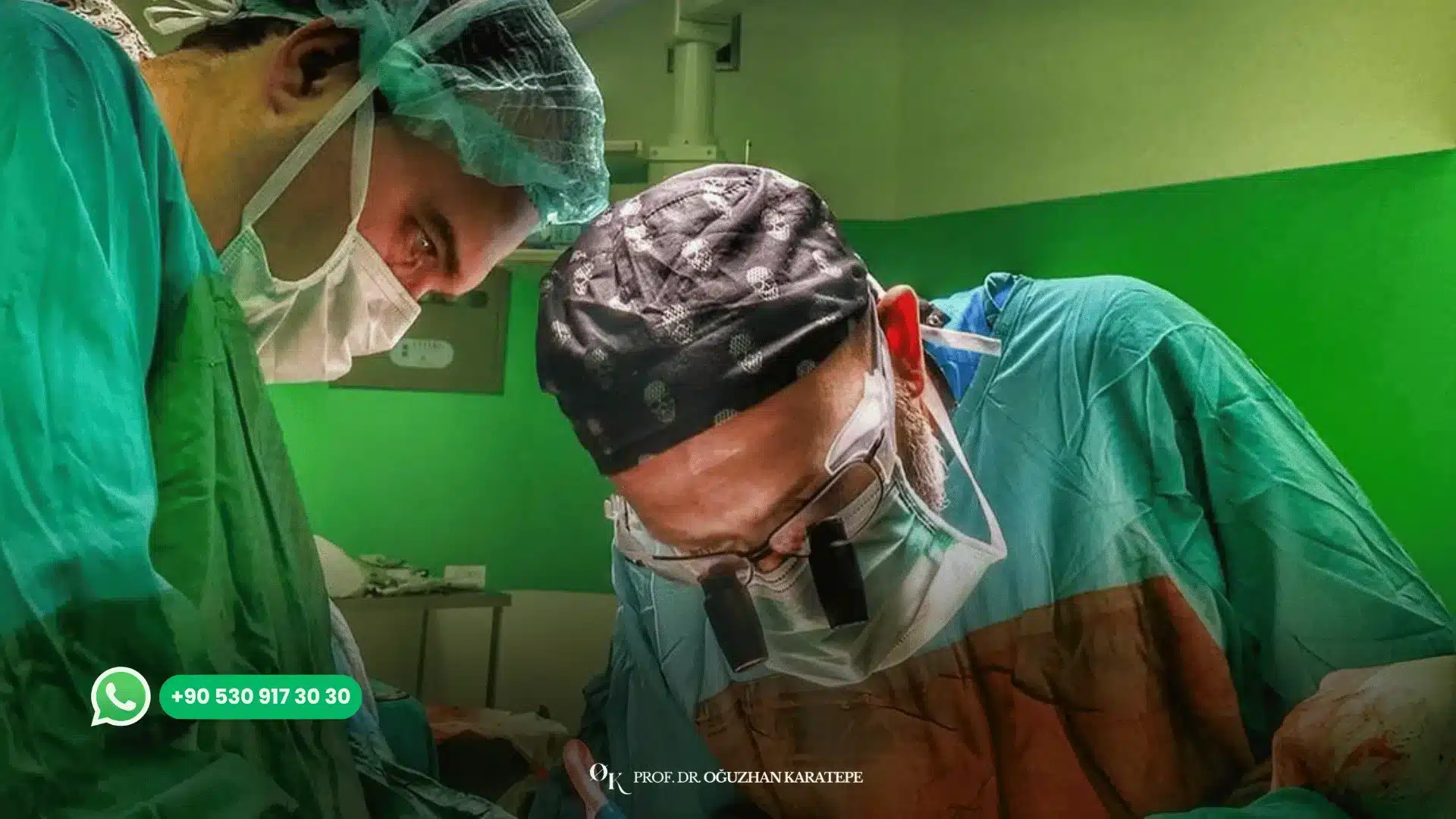
Prof. Dr. Oguzhan Karatepe is a world-renowned expert in liver surgery. With his over 25 years of experience, he has the skill and judgment necessary to navigate the most complex liver cancer cases. He and our multidisciplinary team are here to provide not only the most advanced surgical and medical care but also the compassionate support needed to face this diagnosis with strength and hope.
You have the power to choose the best possible care for your fight against liver cancer. Let us provide it for you.
Contact us now to arrange a confidential consultation and expert second opinion for you or your loved one. Let us review your case and provide the clear, authoritative answers you need to move forward with a concrete plan of action.
Contact
Frequently Asked Questions (FAQ) About Liver Cancer
Symptoms and Causes
1. What is the very first sign of liver cancer?
There is no single first sign, but often the earliest symptoms are non-specific, such as persistent fatigue, a feeling of fullness in the upper abdomen, or unexplained weight loss.
2. What are the main liver cancer symptoms?
The most common symptoms include upper right abdominal pain, weight loss, loss of appetite, jaundice (yellow skin/eyes), and abdominal swelling (ascites).
3. Are liver cancer symptoms in females different?
No, the symptoms of liver cancer are the same regardless of gender. They are related to the tumor’s impact on the liver and surrounding structures.
4. Can you have liver cancer and not know it?
Yes. In its early stages, liver cancer can be asymptomatic. This is why screening is recommended for high-risk individuals (e.g., those with cirrhosis).
5. What causes liver cancer?
The main cause is underlying liver damage and scarring (cirrhosis), most often from chronic Hepatitis B or C infection, heavy alcohol use, or non-alcoholic fatty liver disease (NAFLD).
6. Can you get liver cancer without having cirrhosis?
Yes, it is possible, particularly in patients with chronic Hepatitis B, but the vast majority of primary liver cancers develop in a cirrhotic liver.
7. Is liver cancer hereditary?
Most liver cancer is not hereditary. However, some inherited metabolic diseases can increase the risk of cirrhosis and, subsequently, liver cancer.
8. Does stress cause liver cancer?
There is no direct scientific evidence that psychological stress causes liver cancer.
9. What does liver cancer pain feel like?
It is often described as a constant, dull ache or a feeling of pressure in the upper right abdomen, below the rib cage. It can sometimes radiate to the right shoulder or back.
10. Why does liver cancer cause itchy skin?
Itchy skin is a symptom of jaundice, which occurs when the liver cannot properly process bilirubin. The buildup of bile salts in the skin causes the itching.
Contact
Diagnosis and Staging
11. How is liver cancer diagnosed?
It is typically diagnosed through imaging tests (ultrasound, CT, or MRI) and a blood test for the tumor marker Alpha-fetoprotein (AFP). Often, a biopsy is not needed if the imaging and AFP are characteristic of liver cancer.
12. What is an AFP blood test?
Alpha-fetoprotein (AFP) is a protein that can be elevated in the blood of patients with liver cancer. It is used to help with diagnosis and monitor response to treatment.
13. What are the stages of liver cancer?
Staging systems like the Barcelona Clinic Liver Cancer (BCLC) system are used. They consider the tumor size/number, liver function, and the patient’s overall health to classify the cancer from very early (Stage 0) to terminal (Stage D).
14. What is metastatic liver cancer?
This is cancer that started somewhere else (like the colon, breast, or lung) and has spread to the liver. It is treated based on the original cancer type, not as primary liver cancer.
15. How do doctors determine the stage?
Staging involves CT or MRI scans of the chest, abdomen, and pelvis to see the size of the tumor(s) and determine if the cancer has spread outside the liver.
16. Is a biopsy always necessary?
For primary liver cancer (HCC), if a patient has cirrhosis and a liver lesion with the classic appearance on an MRI or CT scan, a diagnosis can often be made without a biopsy.
17. What is cirrhosis?
Cirrhosis is the end stage of chronic liver disease, where healthy liver tissue is replaced by scar tissue, impairing the liver’s function.
18. Can a simple ultrasound detect liver cancer?
Yes, ultrasound is the primary screening tool used for high-risk patients to detect liver tumors at an early stage.
19. Why is liver function so important in treatment decisions?
The health of the remaining liver is a critical factor. A patient with poor liver function may not be able to tolerate surgery or certain other treatments.
20. Should I get a second opinion on my diagnosis?
For a serious diagnosis like liver cancer, a second opinion from a specialist center is always a good idea to confirm the diagnosis and review all treatment options.
Treatment Options
21. What is the main liver cancer treatment?
For early-stage disease, the main treatments with curative intent are surgery (resection), liver transplant, and tumor ablation.
22. Is liver cancer curable?
Yes, if caught at an early stage when the tumor is small and can be completely removed or destroyed, a cure is possible.
23. What is a liver resection?
This is a surgical operation to remove the part of the liver that contains the tumor.
24. Can the liver grow back after surgery?
Yes, the liver has a remarkable ability to regenerate. A healthy liver can grow back to its normal size in just a few weeks or months after a resection.
25. What is a liver transplant?
This is an operation to remove the entire diseased liver and replace it with a healthy donor liver. It is an option for patients with early cancer but poor underlying liver function.
26. What is radiofrequency ablation (RFA)?
RFA is a minimally invasive procedure where a needle probe is inserted into the tumor and uses electrical current to generate heat and destroy the cancer cells.
27. What is TACE?
TACE (Trans-arterial Chemoembolization) is a procedure where chemotherapy is delivered directly to the tumor through its blood supply, which is then blocked off to trap the drugs inside.
28. What is the treatment for metastatic liver cancer?
Treatment is directed at the primary cancer. For example, metastatic colon cancer in the liver is treated with chemotherapy for colon cancer. Surgery to remove liver metastases is also an option in some cases.
29. What are the newest treatments?
The newest and most effective treatments for advanced liver cancer involve a combination of targeted therapy and immunotherapy drugs.
30. Does chemotherapy work for primary liver cancer?
Traditional systemic chemotherapy is not very effective against HCC. This is why localized treatments (like TACE) and newer systemic drugs (targeted therapy/immunotherapy) are preferred.
Prognosis and Survival
31. What is the liver cancer survival rate?
The 5-year survival rate varies greatly by stage. It can be as high as 70% for very early-stage cancer treated with surgery, but is much lower for advanced-stage disease.
32. What does liver cancer prognosis mean?
A prognosis is a medical forecast of the likely course and outcome of a disease. It is based on statistics and many factors like stage and liver function.
33. Can you survive Stage 4 liver cancer?
Stage 4 liver cancer is not considered curable, but modern treatments can control the disease, often for years, allowing for a good quality of life.
34. What factors determine my prognosis?
The key factors are the stage of the cancer (tumor size, number, and spread), the health of your liver (degree of cirrhosis), and your overall physical health.
35. Can the cancer come back after treatment?
Yes, recurrence is a risk, especially because the underlying diseased liver remains. This is why ongoing surveillance with regular scans is crucial.
36. Does treatment improve the survival statistics for liver cancer?
Yes, dramatically. Without treatment, the prognosis is very poor. All available treatments aim to improve both the length and quality of life.
37. What is the life expectancy without treatment?
For untreated, symptomatic liver cancer, life expectancy is often very limited, typically less than a year.
38. Is the prognosis better for younger patients?
Younger patients often have better overall health and healthier livers, which can allow them to tolerate more aggressive treatments, sometimes leading to better outcomes.
39. How do I improve my own prognosis?
By seeking care from a specialist team, strictly following your treatment and surveillance plan, and maintaining the healthiest lifestyle possible (e.g., abstaining from alcohol).
40. Where can I find reliable survival statistics?
Reputable sources include the American Cancer Society (ACS), the National Cancer Institute (NCI), and major cancer centers.
41. Does the cause of cirrhosis affect prognosis?
To some extent. The main factor is the degree of liver dysfunction, regardless of the cause.
42. If surgery is successful, am I cured?
A successful surgery where all cancer is removed offers the best chance for a cure. However, you are not considered “cured” until you have been cancer-free for many years (usually 5) due to the risk of recurrence.
43. Is the prognosis for metastatic liver cancer different?
Yes. The prognosis for metastatic liver cancer depends entirely on the primary cancer type. For example, removing liver metastases from colon cancer can be curative, while for other cancers it may be palliative.
44. Does a high AFP level mean a worse prognosis?
A very high AFP can sometimes be associated with a more aggressive tumor, but the response of the AFP to treatment is more important.
45. What is the Barcelona Clinic Liver Cancer (BCLC) staging system?
It is the most commonly used staging system for HCC. It is unique because it guides treatment decisions by incorporating tumor stage, liver function, and patient performance status.
46. Can you live a long life after liver cancer treatment?
Yes, many patients who are treated successfully for early-stage liver cancer go on to live a full and long life.
47. What does “median survival” mean?
It is a statistical midpoint in a group of patients. It means that half of the patients lived longer than that time, and half lived for a shorter time. It is not a prediction for an individual.
48. Has the survival rate for liver cancer improved over time?
Yes. Due to screening of high-risk patients, safer surgery, and the development of many new and effective treatments, survival rates have been steadily improving.
49. What is the most hopeful part of the prognosis?
The most hopeful aspect is the sheer number of different treatment options available today, from curative surgery to therapies that can control advanced disease for long periods.
50. How can I stay positive when the statistics seem scary?
Focus on your individual case and your own treatment plan. Remember that you are not a statistic, and your outcome depends on the expert care you receive.
Contact
Miscellaneous Questions
51. What is an HPB surgeon?
An HPB (Hepatobiliary and Pancreatic) surgeon is a specialist with advanced training in surgery of the liver, pancreas, and bile ducts—the expert you need for liver cancer.
52. What is the recovery like after a liver resection?
It involves a hospital stay of about 5-7 days. Full recovery can take 6-8 weeks as you regain your strength and the liver regenerates.
53. Will I need a special diet after liver surgery?
Initially, yes. Long-term, most people can return to a normal, healthy diet. If you have underlying cirrhosis, a low-salt diet is often recommended.
54. Can I drink alcohol after liver cancer treatment?
No. You should abstain from alcohol completely to protect your remaining liver tissue.
55. What is liver screening or surveillance?
This is for high-risk individuals (with cirrhosis or Hepatitis B). It involves getting an ultrasound of the liver every six months to detect any potential tumors at a very early, curable stage.
56. Can liver cancer be prevented?
Yes, many cases can be prevented by vaccinating against Hepatitis B, treating chronic Hepatitis C, avoiding excessive alcohol, and maintaining a healthy body weight.
57. What is the difference between ablation and embolization?
Ablation uses heat or microwaves to “cook” the tumor. Embolization attacks the tumor through its blood supply, either by blocking it off with chemotherapy or by delivering radiation.
58. What are the side effects of TACE?
After TACE, it’s common to have “post-embolization syndrome,” which feels like a bad flu with fever, nausea, and pain for a few days.
59. What are the side effects of immunotherapy?
Immunotherapy can cause the immune system to attack healthy organs, leading to side effects like skin rashes, diarrhea (colitis), or hormone problems.
60. Why is choosing an expert surgeon important for liver resection?
An expert surgeon knows how to safely remove the tumor while preserving enough healthy liver for the patient to recover well. Their experience directly impacts safety and success.
61. What if my tumor is near a major blood vessel?
This makes surgery more complex and requires a highly skilled liver surgeon who is experienced in these challenging resections.
62. Can you do surgery on both lobes of the liver?
Yes, in some cases, a staged approach can be used, where a surgeon removes cancer from one side, allows the liver to regrow, and then operates on the other side later.
63. What is the MELD score?
The Model for End-Stage Liver Disease (MELD) score is a measure of the severity of a patient’s liver dysfunction. It is used to prioritize patients on the liver transplant waiting list.
64. What is the wait time for a liver transplant?
This varies greatly by country, region, and blood type. It can range from months to years.
65. What medications do I take after a liver transplant?
You will need to take powerful immunosuppressant drugs for the rest of your life to prevent your body from rejecting the new liver.
66. Is a liver resection a big operation?
Yes, it is a major abdominal surgery that requires a hospital stay and a significant recovery period.
67. Will I have a large scar?
An open liver resection leaves a large scar across the upper abdomen, often called a “rooftop” or “Mercedes-Benz” incision.
68. Can liver surgery be done laparoscopically or robotically?
Yes, for smaller tumors in favorable locations, a minimally invasive approach can be used by surgeons with advanced skills in these techniques.
69. What is the first step to get a consultation?
Contact our international patient team. They will guide you on how to securely send your medical scans and records for an expert review by Prof. Dr. Karatepe.
70. What is a multidisciplinary tumor board?
It’s a meeting where all the specialists (surgeons, oncologists, radiologists) review a patient’s case together to create a consensus treatment recommendation. This is the standard of care at top centers.
71. How do I know if I have cirrhosis?
Cirrhosis can be diagnosed through blood tests, imaging (like a FibroScan), or a liver biopsy.
72. Can fatty liver disease be reversed?
Yes, in its early stages, fatty liver can be reversed with weight loss, diet, and exercise.
73. What is the treatment for Hepatitis C?
There are now highly effective antiviral drugs that can cure over 95% of Hepatitis C infections, which in turn prevents cirrhosis and liver cancer.
74. Can I exercise during liver cancer treatment?
Yes, light to moderate exercise is encouraged as it can help fight fatigue and maintain muscle mass.
75. How can I support my liver during treatment?
By following your doctor’s orders, avoiding alcohol completely, and eating a healthy, balanced diet.
76. Can I work during treatment?
This depends on the type of treatment and your job. Many people can work, at least part-time, during systemic therapy or after recovering from localized treatments.
77. What if the first treatment doesn’t work?
There are often second and third-line treatment options available. The field is constantly evolving.
78. Will I need a special diet after liver resection?
Most patients can return to a normal diet after recovery, but a healthy, balanced diet is always recommended.
79. What is the role of a patient advocate?
An advocate can help you navigate the healthcare system, understand your options, and ensure you are getting the best care possible.
80. Why is it important to see a specialist for liver cancer?
Because it is a complex disease with many different treatment options. A general oncologist or surgeon may not be aware of all the specialized therapies available at a major liver center.
81. What if I am told nothing can be done?
It is always worth seeking a second opinion at a major, high-volume liver cancer center. There may be treatments or clinical trials available that you were not aware of.
82. Can I have more than one TACE procedure?
Yes, TACE can often be repeated several times to keep the cancer under control.
83. Is ablation painful?
The procedure is done under sedation or anesthesia, so it is not painful. You may have some discomfort at the probe site for a few days afterward.
84. How long do I need to stay in the hospital for TACE or ablation?
These are often outpatient procedures or require just a one-night hospital stay.
85. Can liver cancer spread to the bones?
Yes, bone is one of the common sites for liver cancer to metastasize to in its advanced stages.
86. What is the difference between palliative and curative intent?
Curative intent means the goal of the treatment is to cure the cancer. Palliative intent means the goal is to control the cancer and its symptoms to improve quality of life, not to cure it.
87. Will I need to take medications for the rest of my life?
This depends on your treatment. If you have a transplant, you will need lifelong anti-rejection drugs. Otherwise, you may just need medications for any underlying liver disease.
88. How can I manage the anxiety of a cancer diagnosis?
By focusing on one step at a time, trusting your expert medical team, and relying on your support system of family and friends. Professional counseling can also be very helpful.
89. What is the best diet for a healthy liver?
A balanced diet low in processed foods, sugar, and unhealthy fats, and rich in fruits, vegetables, lean protein, and whole grains. Coffee has also been shown to be protective for the liver.
90. Can cancer in the liver cause confusion?
Yes, if liver function is very poor, toxins can build up in the blood and affect the brain, a condition called hepatic encephalopathy.
91. How often will I need follow-up scans?
After curative treatment, you will typically have follow-up scans every 3-6 months for the first few years, and then less frequently after that.
92. Is there a “best” treatment for liver cancer?
The “best” treatment is highly individual and is determined by the specialist team based on your specific case.
93. Can targeted therapy cure liver cancer?
No, these drugs are used to control advanced cancer, not cure it. Surgery or ablation are the curative treatments.
94. What is a “bridge to transplant”?
This is when treatments like TACE or ablation are used to keep a tumor from growing while a patient is waiting for a liver transplant.
95. What if the cancer comes back in the liver after resection?
Sometimes, a repeat resection or other treatments like ablation can be performed on the new tumor.
96. Is it important for my family to be tested for Hepatitis?
If you have Hepatitis B or C, it is very important for your close family and household contacts to be tested.
97. How does a surgeon decide how much liver they can remove?
They use advanced imaging and volumetric software to precisely calculate the volume of the tumor and the volume of the “future liver remnant” to ensure enough healthy liver is left behind.
98. Will my quality of life be good after treatment?
The goal of all liver cancer treatment is not just to extend life, but to maintain or improve its quality.
99. What gives you the most hope for the future of liver cancer treatment?
The rapid development of effective new drugs and a better understanding of how to combine different therapies gives us more tools than ever before to fight this disease.
100. I have my diagnosis. What is my first, most important action?
Your most important action is to schedule a consultation with a true liver cancer specialist to ensure you are getting the best possible treatment plan right from the start.
Contact
References
We base our practice and information on the highest standards set by leading global medical authorities and cancer research organizations. The content on this page is informed by:
- The American Cancer Society (ACS). (n.d.). Liver Cancer. https://www.cancer.org/cancer/types/liver-cancer.html
- American Liver Foundation. (n.d.). Liver Cancer. https://liverfoundation.org/for-patients/about-the-liver/diseases-of-the-liver/liver-cancer/
- National Cancer Institute (NCI). (n.d.). Liver and Bile Duct Cancer—Patient Version. https://www.cancer.gov/types/liver
Please note: This information is for general purposes only. For personalized treatment advice, please contact us directly.