


BMI Calculator & Weight Loss Surgery Guide
Body Mass Index (BMI)
Body Mass Index (BMI) Calculator & Obesity Surgery Guide
Understanding your body is the first step toward a healthier life—and one of the most important signals your body gives you is your Body Mass Index (BMI). As one of Turkey’s leading general surgeons, I’m Prof. Dr. Oğuzhan Karatepe. With over 25 years of experience and more than 70 published scientific articles, I’ve consistently emphasized the critical role of BMI in diagnosing and treating obesity and related conditions.
This page isn’t just a simple BMI calculator—it’s a comprehensive guide that explains what your BMI means, how it affects your health, and what steps to take if your BMI is too high. You’ll also find expert answers to essential questions like “What BMI is required for gastric sleeve surgery?”—all backed by years of surgical expertise.
Remember: Your BMI isn’t a conclusion; it’s a starting point. This guide is here to help you understand that starting point and show you how our clinic’s specialized care can support your journey to better health. Let’s take the first step together toward a healthier future.
What Is Body Mass Index (BMI)? Key Information
The question “What is BMI?” lies at the heart of health literacy. In the simplest terms, Body Mass Index (BMI) is a numerical value calculated by dividing a person’s weight by the square of their height in meters. This straightforward formula is a universally used screening method to determine whether a person falls into the categories of “underweight,” “normal weight,” “overweight,” or “obese” based on their height and weight. For those wondering what BMI means, it’s essentially an indicator of estimated body fat percentage.
As a physician who has treated hundreds of patients in our clinic, I can confidently say that Body Mass Index is a significant risk marker for many chronic conditions such as diabetes, hypertension, heart disease, and even certain types of cancer. Therefore, it’s not merely about aesthetics—it reflects your overall health. BMI analysis should be an integral part of your routine health check-up. Knowing your BMI helps you take proactive steps against potential health risks.
How to Calculate Body Mass Index (BMI)?
Wondering how to calculate BMI? The answer is simple and easy for anyone to apply. All you need are two pieces of information: your weight (in kilograms) and your height (in meters).
BMI Calculation Formula
The universally accepted BMI formula is:
BMI = Weight (kg) / [Height (m) × Height (m)]
For example, for a person who weighs 80 kg and is 1.75 meters tall:
- Square the height: 1.75 × 1.75 = 3.0625
- Divide the weight by this value: 80 / 3.0625 = 26.12
This person’s BMI is approximately 26.1, which falls into the “Overweight” category according to the classification below.
Online BMI Calculator
Don’t want to deal with formulas? Use our practical BMI Calculator below. Simply enter your height and weight to instantly find out your Body Mass Index and category.
Quick BMI Calculator
- Your height (in cm):
- Your weight (in kg):
Disclaimer: This tool provides general information. For a precise medical evaluation, please consult a healthcare professional.
BMI Ranges & Their Meaning: What Is a Healthy BMI?
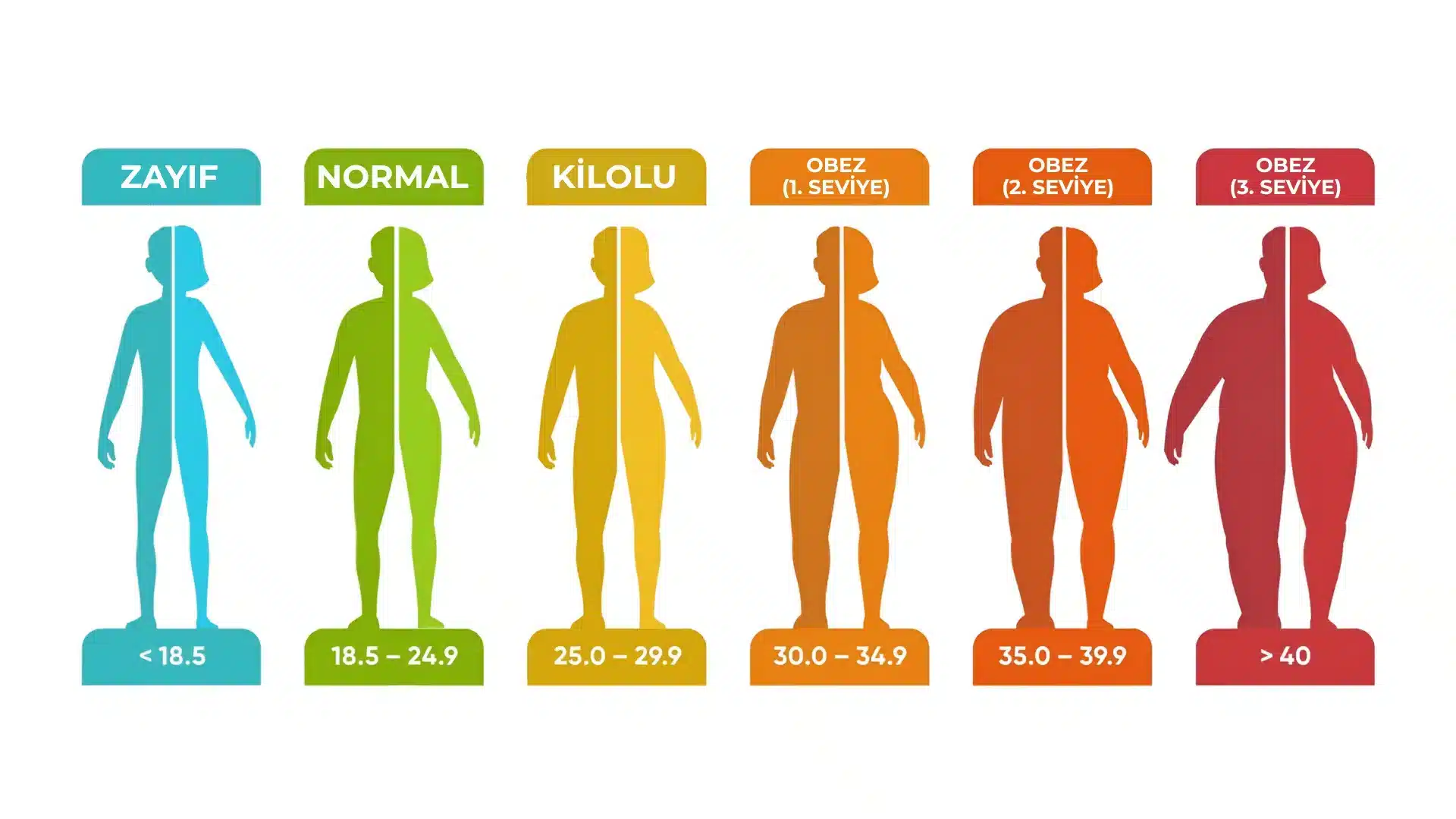
The question “What should my BMI be?” is a common concern for anyone aiming to live a healthier life. The World Health Organization (WHO) has established standard BMI classifications for adults to help assess potential health risks. Here’s a breakdown:
BMI Below 18.5 – Underweight
If your BMI is under 18.5, your weight is considered too low for your height. This may indicate nutritional deficiencies, weakened immunity, increased risk of osteoporosis, and general fatigue. It’s important to work with a doctor and dietitian to follow a healthy weight gain plan—one that focuses not just on gaining weight but on improving muscle mass and nutrient stores.
BMI 18.5 – 24.9 – Normal Weight
This is considered the ideal BMI range. It means your weight is healthy for your height and that you’re at the lowest risk for obesity-related chronic diseases. Maintaining this range through balanced nutrition and regular exercise is essential. It’s not a final goal—it’s part of an ongoing healthy lifestyle.
BMI 25.0 – 29.9 – Overweight
A BMI in this range means you are overweight, which is often a warning sign before obesity. The risk for Type 2 diabetes, high blood pressure, and heart disease begins to increase. While you may not yet be a candidate for weight loss surgery, this is the most critical time for lifestyle changes. With professional guidance, revising your eating habits and introducing regular exercise can stop the progression toward obesity.
BMI 30.0 and Above – Obesity Categories
Once your BMI exceeds 30, you fall into the obesity range, which is officially recognized as a medical condition. Obesity significantly affects your entire body and overall health. It is divided into three classes:
Class 1 Obesity (BMI 30.0 – 34.9)
Chronic disease risks are significantly higher. Lifestyle changes and medical therapy are first steps. If these are not effective, surgical options may be considered.
Class 2 Obesity (BMI 35.0 – 39.9)
Often referred to as severe obesity. If you also have a related condition like high blood pressure, sleep apnea, or diabetes, you may be a strong candidate for bariatric surgery. Gastric sleeve surgery often becomes a serious treatment consideration at this level.
Class 3 Obesity (BMI 40.0 and Above)
Known as morbid or super obesity, this level poses life-threatening risks. Even without additional conditions, surgery is typically considered the most effective and lasting solution.
Need Help?
If your BMI is over 30, don’t wait. With over 25 years of experience and hundreds of success stories, our expert team is here to help you choose the best treatment path. Reach out today and remember: you’re not alone in your fight against obesity.
BMI Assessment by Age and Gender
While Body Mass Index (BMI) is a universal formula, its interpretation can vary based on age and gender. Understanding these nuances can help you make sense of your BMI results more accurately.
BMI for Women
When evaluating BMI in women, it’s important to remember that women naturally have a higher body fat percentage than men. This is a physiological difference essential for functions like reproduction. As a result, a man and a woman with the same BMI can have significantly different body compositions.
Additionally, hormonal changes after menopause can cause fat to accumulate more around the abdomen, increasing metabolic risk—even if BMI is within the “normal” range. That’s why in my clinical practice, I always assess waist circumference alongside BMI, especially for female patients.
BMI for Men
Men typically have more muscle mass than women. Since muscle weighs more than fat, men who regularly lift weights or have a high level of muscle development may have a BMI that categorizes them as “overweight” or even “obese,” even though their body fat percentage is low and their health is excellent.
In such cases, BMI alone is not a reliable indicator. Additional measurements—such as body fat percentage and waist circumference—are needed to accurately assess health status.
BMI in Children and Adolescents (Percentile Charts)
BMI assessment in children and teens differs from adults because children are constantly growing. Instead of using fixed BMI categories, pediatric BMI is compared against percentile growth charts based on age and sex.
Here’s how to interpret those percentiles:
- Below the 5th percentile: Underweight
- 5th to 85th percentile: Normal weight
- 85th to 95th percentile: Overweight
- Above the 95th percentile: Obese
Childhood obesity is a serious concern, as it is often a precursor to adult obesity and related health problems. Early detection and intervention are essential.
The Limitations of BMI and Special Cases
As Prof. Dr. Oğuzhan Karatepe, I emphasize that BMI is not a perfect measurement. That doesn’t mean it’s useless—it simply means that its results should be interpreted by a qualified professional within the broader context of an individual’s health profile.
Why BMI Can Be Misleading in Athletes
As noted earlier, BMI cannot distinguish between muscle and fat. An athlete or bodybuilder with very high muscle mass may fall into the “overweight” or even “obese” category by BMI standards, even though their body fat is minimal and their health is excellent.
In such cases, BMI is not a meaningful metric. For athletes, more precise tools—such as body composition scans—are needed to evaluate health risks or fitness levels accurately.
Whether you’re a woman in menopause, a strength-training male, or a concerned parent, our clinic provides individualized assessment and expert guidance beyond just a number. BMI is just the starting point—we’re here to help you understand what it truly means for your health.
The Relationship Between Body Mass Index (BMI) and Obesity Surgery
High Body Mass Index (BMI) values—especially when diet and exercise fail—often lead patients to consider obesity surgery. As one of Turkey’s leading general surgeons specializing in bariatric surgery, I can confirm that BMI plays a central role in determining surgical eligibility.
What BMI Is Required for Gastric Sleeve Surgery?
This is one of the most frequently asked questions I receive.
According to international guidelines, BMI-based criteria for gastric sleeve surgery (and other bariatric procedures) are:
BMI ≥ 40 kg/m²
→ Eligible for surgery even without any additional health issues.
BMI 35–39.9 kg/m²
→ Eligible if you have at least one obesity-related condition such as:
- Type 2 diabetes
- High blood pressure
- Sleep apnea
- High cholesterol
BMI 30–34.9 kg/m²
→ May be considered for metabolic surgery if you have uncontrolled type 2 diabetes despite medical treatment.
These are general guidelines. Even if your BMI meets the threshold, surgical suitability can only be confirmed after a comprehensive evaluation including blood tests, endoscopy, and specialist consultations.
The Obesity Surgery Process with Prof. Dr. Oğuzhan Karatepe
If your BMI places you within surgical consideration and you’re seeking a lasting solution, our patient-centered, transparent clinical approach will guide you every step of the way.
1. Initial Consultation
We listen carefully to understand your:
- BMI and current weight status
- Associated conditions
- Eating habits and lifestyle
- Expectations and concerns
2. Multidisciplinary Evaluation
You’ll undergo full medical screening involving:
- Cardiology
- Pulmonology
- Endocrinology
- Psychiatry
This ensures your safety and suitability for surgery.
3. Surgical Planning
Once all assessments are complete, we collaborate with you to choose the most appropriate surgical option—whether it’s gastric sleeve, gastric bypass, or another method.
4. Surgery and Postoperative Support
With our cutting-edge equipment and extensive experience (which earned us a reputation for excellence), we perform your surgery with maximum care.
And you’re never alone afterwards—our dietitians and care coordinators guide you through every phase of recovery and weight loss.
With over 25 years of experience and hundreds of successful surgeries, we’re ready to be your strongest ally on this life-changing journey. Don’t delay your health. Reach out and take your first step toward a healthier future.
Frequently Asked 100 Questions About Body Mass Index (BMI)
In this section, I have answered all the questions you might have about Body Mass Index (BMI).
Question 1: What exactly is Body Mass Index (BMI)?
Answer: BMI is a screening tool that provides a general idea about your body fat percentage by dividing your weight by your height squared.
Question 2: What is the formula for calculating BMI?
Answer: The formula is Weight (kg) / [Height (m) × Height (m)].
Question 3: What is considered an ideal BMI?
Answer: For adults, the ideal BMI range is between 18.5 and 24.9.
Question 4: My BMI is 28. What should I do?
Answer: A BMI of 28 falls into the “overweight” category. This is a critical period to make lifestyle changes. You should consult a doctor and a dietitian to create a nutrition and exercise plan.
Question 5: My BMI is 36 and I have diabetes. Can I have surgery?
Answer: Yes. Having a BMI over 35 with at least one obesity-related comorbidity such as type 2 diabetes makes you a strong candidate for obesity surgery.
Question 6: Can health status be assessed by BMI alone?
Answer: No. BMI is an important screening tool but not sufficient alone. It should be assessed together with blood values, body fat percentage, waist circumference, and overall clinical status.
Question 7: How is BMI calculated for children?
Answer: The same formula is used, but results are interpreted with age- and gender-specific percentile charts.
Question 8: Does BMI change with age?
Answer: The calculation formula does not change, but as age increases, muscle mass decreases and fat mass increases, so the ideal BMI interpretation may slightly vary. Slightly higher BMI values might be tolerated in elderly people.
Question 9: Are BMI and BWV (Body Weight Volume) analysis the same?
Answer: Though BWV is sometimes used colloquially, the correct medical term is BMI (Body Mass Index). BWV usually refers to BMI analysis.
Question 10: I have a muscular body, but my BMI is high. Is that a problem?
Answer: Probably not. In athletes with high muscle mass, BMI can be misleading. In such cases, measuring body fat percentage provides a more accurate result.
Question 11: How can I lower my BMI?
Answer: By creating a calorie deficit — consuming fewer calories than you burn. This is possible through balanced nutrition and regular exercise. In severe cases, medical and surgical treatments may be necessary.
Question 12: Is low BMI (underweight) dangerous?
Answer: Yes. Being underweight can lead to weakened immunity, vulnerability to infections, nutrient deficiencies, and other serious health problems.
Question 13: What does TR BMI calculation mean?
Answer: It refers to BMI calculations tailored for users in Turkey, using Turkish sources and standards. The calculation formula itself is universal.
Question 14: What is the ideal BMI range for POMEM (Police Academy)?
Answer: Generally, between 18.00 (inclusive) and 27.00 (inclusive). However, this can vary according to the institution’s regulations in a given year.
Question 15: What is the minimum BMI for sleeve gastrectomy (gastric sleeve surgery)?
Answer: Except for special cases like uncontrolled diabetes, it is generally 35 with comorbidity or 40 alone.
Question 16: Is BMI calculated during pregnancy?
Answer: Pre-pregnancy BMI is important. Since weight gain is natural during pregnancy, the standard BMI calculation is not meaningful during this period. Weight tracking should be done under medical supervision.
Question 17: Why is waist circumference as important as BMI?
Answer: Because abdominal fat (apple-shaped obesity) is a higher risk factor for heart diseases and metabolic syndrome. Even if BMI is normal, a wide waist circumference can indicate higher risk.
Question 18: My BMI is normal but I have a belly. Is this normal?
Answer: This condition is called “normal weight obesity” and is risky. Your body fat percentage might be high. Lifestyle changes and exercise are important.
Question 19: How long does it take for BMI to normalize after obesity surgery?
Answer: It varies per individual, but patients generally lose most of their excess weight within 12-18 months, and their BMI returns to normal or near-normal levels.
Question 20: Does weighing with clothes affect BMI calculation?
Answer: Yes. The most accurate measurement is done in the morning, on an empty stomach, after using the restroom, wearing light clothes or naked.
Question 21: Is there a link between high BMI and cancer?
Answer: Absolutely. Scientific studies show obesity (high BMI) is an important risk factor for 13 types of cancer, especially breast (postmenopausal), colon, uterus, kidney, pancreas, and esophagus cancers. Excess fat tissue can trigger chronic inflammation and hormonal imbalances that promote cancer cell growth.
Question 22: My BMI is normal but my cholesterol and blood sugar are high, why?
Answer: This is called “Normal Weight Obesity” or “Metabolically Obese Normal Weight (MONW).” Despite normal BMI, body fat percentage, especially dangerous visceral fat around organs, can be high. Causes include genetic predisposition or poor diet, increasing heart disease and diabetes risk.
Question 23: What is the connection between sleep apnea and BMI?
Answer: There is a strong connection. High BMI leads to fat accumulation in the neck and throat, which can narrow or block the airway during sleep, causing apnea. Weight loss is one of the most effective treatments for sleep apnea and can greatly reduce or eliminate symptoms.
Question 24: Does lowering BMI help with joint pain?
Answer: Definitely. Every extra kilogram adds multiplied pressure on weight-bearing joints like knees, hips, and lower back. Losing just 5 kilos can reduce knee pressure equivalent to losing 20 kilos. Normalizing BMI slows joint wear and relieves existing pain.
Question 25: What is insulin resistance and how is it related to BMI?
Answer: Insulin resistance is when body cells don’t respond well to insulin and can’t take glucose from the blood properly. High BMI and increased fat tissue are the most common causes. It is a precursor to type 2 diabetes. Losing weight and lowering BMI is the most effective way to reverse insulin resistance.
Question 26: Is there a relationship between BMI and mental health?
Answer: Yes, studies show obesity is associated with depression, anxiety, and low self-esteem. This is due both to social stigma and movement limitations caused by obesity, as well as chronic inflammation and hormonal changes affecting brain chemistry.
Question 27: How does high BMI affect liver health?
Answer: High BMI is the main risk factor for Non-Alcoholic Fatty Liver Disease (NAFLD), which can progress to cirrhosis and liver failure. Weight loss can reverse liver fat accumulation.
Question 28: What is the ideal waist circumference and why is it important alongside BMI?
Answer: According to WHO, increased risk is for women with waist circumference over 80 cm, men over 94 cm. Waist sizes over 88 cm (women) and 102 cm (men) indicate high risk. Even with normal BMI, a large waist circumference indicates visceral fat and metabolic disease risk.
Question 29: My BMI is 42, and I cannot lose weight with diet. Is surgery my only option?
Answer: Having a BMI over 40 (Class 3 Obesity) makes you a strong candidate for obesity surgery. At this level, diet and exercise alone rarely provide permanent and sufficient weight loss. Surgery is the most effective and proven treatment.
Question 30: What is body fat percentage measurement? Is it more reliable than BMI?
Answer: Body fat percentage shows the ratio of fat mass to total body mass. It provides a more detailed analysis than BMI because it distinguishes fat from muscle. However, it requires more complex devices (BIA, DEXA, etc.). BMI is a simple screening tool, body fat percentage is a more precise diagnostic tool.
Question 31: Does drinking water help reduce BMI?
Answer: Indirectly, yes. Adequate water intake can speed up metabolism, increase satiety causing you to eat less, and substituting sugary drinks with water saves significant calories. This supports weight loss.
Question 32: Which type of exercise is best for reducing BMI? Cardio or weight training?
Answer: The best is a combination of both. Cardio (walking, running, cycling) burns a lot of calories during exercise. Weight training increases muscle mass, which boosts basal metabolism, burning more calories even at rest. Both are necessary for sustainable weight loss.
Question 33: Is Intermittent Fasting effective in lowering BMI?
Answer: Intermittent fasting is more of an eating pattern than a diet. By limiting eating hours (e.g., 8 hours/day), it can reduce total calorie intake. It works for some but is not magical. What matters is how much and what quality of food you consume during eating periods.
Question 34: Does eating at night increase BMI?
Answer: Weight gain is determined by total calories consumed versus burned during the day. However, studies show late-night eating tends to involve more calorie-dense and unhealthy foods, disrupts circadian rhythms, and may promote weight gain.
Question 35: Does stress and cortisol hormone affect BMI?
Answer: Yes, significantly. Chronic stress increases cortisol secretion, which raises appetite (especially for sugary and fatty foods), slows metabolism, and causes fat storage mainly in the abdomen.
Question 36: Why is consuming fiber important for BMI control?
Answer: Fiber-rich foods (vegetables, fruits, whole grains, legumes) stay longer in the digestive system, increasing satiety, stabilizing blood sugar, and supporting gut health. This helps eat less and control weight.
Question 37: Does a protein-rich diet facilitate weight loss?
Answer: Yes. Protein provides greater satiety than other nutrients (has a higher thermogenic effect) and helps preserve muscle mass, preventing metabolism from slowing during weight loss.
Question 38: What is the effect of alcohol consumption on BMI?
Answer: Alcohol is a source of “empty calories” providing high calories without nutrients. One gram of alcohol has about 7 calories. It also increases appetite and impairs eating control, contributing significantly to weight gain.
Question 39: Does insufficient sleep increase BMI?
Answer: Absolutely. Lack of sleep affects two key appetite hormones: it raises ghrelin (hunger hormone) and lowers leptin (satiety hormone), causing you to feel hungrier and eat more.
Question 40: Are low-carb (ketogenic) diets a permanent solution for lowering BMI?
Answer: Ketogenic diets restrict carbs drastically, forcing the body to burn fat, resulting in rapid initial weight loss. But they are difficult to maintain and long-term effects are debated. We aim to teach sustainable, balanced eating habits rather than shock diets.
Question 41: How is the decision for obesity surgery made? Is BMI alone enough?
Answer: No. BMI is an important starting point but the decision involves many factors including other health risks, psychological readiness, anesthesia suitability, and motivation for lifestyle changes, all evaluated by a multidisciplinary team.
Question 42: Is sleeve gastrectomy reversible?
Answer: No. Sleeve gastrectomy permanently removes about 80% of the stomach, so it is irreversible. Some other surgeries like gastric bypass can be technically reversed but this is rare and risky.
Question 43: How much weight can I lose with a gastric balloon? How much does BMI drop?
Answer: The gastric balloon is a temporary, non-surgical method placed endoscopically in the stomach and typically stays for 6-12 months. During this time, patients usually lose about 10-15% of their total body weight. This corresponds to approximately a 3-6 point drop in BMI. The balloon acts as a bridge for patients who are not candidates for surgery or who need to lose some weight before surgery.
Question 44: Do I have to take vitamin and mineral supplements after surgery?
Answer: Yes, this is absolutely mandatory and critical for your health. Especially after surgeries like gastric bypass that affect nutrient absorption, and even after sleeve gastrectomy due to reduced food intake, the body cannot absorb sufficient vitamins and minerals. If these supplements are not taken lifelong, serious and permanent health problems can arise.
Question 45: Will I have loose skin after obesity surgery? Can this be prevented?
Answer: Loose or sagging skin is expected after rapid and significant weight loss. The degree depends on factors such as age, genetics, how much weight you lose, and smoking habits. Exercising can improve skin tightness somewhat but usually cannot fully prevent sagging. Approximately 1.5-2 years after surgery, once weight has stabilized, post-bariatric body contouring surgeries (like skin tightening or lifts) can be considered.
Question 46: Is revision surgery (second obesity surgery) riskier than the first surgery?
Answer: Yes. Revision surgeries are technically more challenging due to adhesions and altered anatomy from the first operation. The risk of complications is somewhat higher compared to the initial surgery. Therefore, revision surgeries should be performed by highly experienced surgeons, such as Prof. Dr. Oğuzhan Karatepe, to ensure safety.
Question 47: How soon can I return to my normal life after surgery?
Answer: Since most surgeries are performed laparoscopically (minimally invasive), recovery is quite fast. Patients usually stay in the hospital for 2-3 days, return to desk jobs within 1-2 weeks, and resume normal activities except heavy physical work after 4-6 weeks.
Question 48: How will my eating habits change after obesity surgery?
Answer: Your stomach will be smaller, so you will feel full with much smaller portions. A phased diet protocol is followed: starting with liquids, then pureed foods, and finally solid foods. You will need to adopt new habits such as not eating solids and liquids at the same time, eating slowly, and chewing well. Our dietitian will guide you throughout this process.
Question 49: How will surgery affect my social life? Can I eat out?
Answer: Of course. Your social life continues, but your eating style changes. You can order from appetizers or kids’ menus at restaurants and take leftovers home. Over time, you will adapt to your new portions and eating habits.
Question 50: Is obesity surgery an expensive procedure?
Answer: Surgery requires an initial investment. However, considering the lifelong costs of medications, doctor visits, and treatments caused by obesity-related conditions like diabetes, hypertension, and joint problems, obesity surgery is economically beneficial in the long run. It is one of the most important investments you can make for your health.
Question 51: Why do people with Polycystic Ovary Syndrome (PCOS) struggle to lose weight? How can they lower their BMI?
Answer: PCOS often accompanies insulin resistance. This hormonal imbalance causes inefficient carbohydrate use and fat storage. Low glycemic index diets and regular exercise are especially important for PCOS patients. Those with BMI near surgical limits benefit greatly from obesity surgery, not only in weight loss but also hormonal balance improvement.
Question 52: How do thyroid diseases (like hypothyroidism) affect BMI?
Answer: Hypothyroidism (underactive thyroid) slows metabolism, leading to weight gain or difficulty losing weight. We always check thyroid function in patients presenting with weight issues. If thyroid disease is diagnosed, it must be medically managed by an endocrinologist before starting obesity treatment.
Question 53: Why might a slightly higher BMI (e.g., 25-27) be better in older adults?
Answer: This is called the “obesity paradox.” In older age, muscle mass loss (sarcopenia) is common. Having some extra reserves can make individuals more resilient to illness, infections, or falls. For people over 70, an ideal BMI range of 25-27 may be targeted.
Question 54: Can I get pregnant after obesity surgery? How long should I wait?
Answer: Yes, and weight loss often improves fertility and reduces pregnancy risks such as gestational diabetes and preeclampsia. However, it is recommended to wait at least 12-18 months after surgery to allow your body and metabolism to stabilize. During this time, vitamin and mineral stores for both mother and baby will normalize.
Question 55: I’m gaining weight and my BMI is increasing after menopause. Is this normal?
Answer: Menopause reduces estrogen levels, slowing metabolism and increasing fat storage tendency. Weight gain during this time is common but not healthy. It requires extra attention to diet and exercise habits.
Question 56: Myth: “Drinking lemon water on an empty stomach burns fat.” Is this true?
Answer: This is one of the most common myths. Lemon water does not directly burn fat. It is a good way to hydrate and get vitamin C in the morning. Its only contribution to weight loss is replacing sugary drinks with a calorie-free alternative.
Question 57: Myth: “I can lose belly fat by only doing abdominal exercises.”
Answer: Spot reduction is a myth. The body decides where to lose fat. Crunches strengthen abdominal muscles but do not burn the fat covering them. To lose belly fat, you need whole-body exercises combined with a calorie deficit diet.
Question 58: Myth: “I can eat as much as I want if I consume ‘light’ products and still lose weight.”
Answer: “Light” or “diet” labels can be misleading. Fat content might be reduced but sugar or other additives increased to improve taste. These products are not calorie-free and can cause weight gain if portions are uncontrolled.
Question 59: Myth: “Eating gluten-free helps with weight loss.”
Answer: Gluten-free diets are necessary only for people with celiac disease or gluten sensitivity. For others, there is no proven effect on weight loss. People often lose weight when cutting gluten because they avoid processed carbs like bread and pasta, not because of gluten itself.
Question 60: Myth: “Eating after 6 PM causes weight gain.”
Answer: This is a popular myth. Your body does not track time but calories. Weight gain depends on total calories consumed versus burned in 24 hours. However, late-night snacking tends to be unhealthy, which can indirectly cause weight gain.
Question 61: My BMI is normal but I have cellulite. Is this a health problem?
Answer: Cellulite is the dimpled appearance of skin caused by fat cells trapped under connective tissue. It is not a disease and can be seen even in very thin people. Genetics and hormones play roles. It relates more to body fat distribution and circulation than BMI.
Question 62: How reliable is body composition analysis using BIA (Bioelectrical Impedance Analysis)?
Answer: BIA sends a weak electrical current through the body to estimate fat, muscle, and water percentages. Results can be affected by hydration, recent exercise, and menstrual cycle in women. For best accuracy, measurements should be taken under standard conditions (e.g., fasting morning). It gives a useful general idea.
Question 63: Do home scales accurately measure BMI and body fat?
Answer: Many home scales use BIA technology. They are less precise than medical devices but can be motivating tools to track trends if used consistently under similar conditions. Focus on progress trends rather than absolute numbers.
Question 64: How often should BMI be measured during weight loss?
Answer: Daily weighing can be discouraging due to water weight fluctuations. Measuring once a week, on the same day and time, under consistent conditions is the healthiest approach.
Question 65: Can I drink alcohol after obesity surgery?
Answer: Alcohol consumption after surgery is strongly discouraged. Due to altered stomach anatomy, alcohol is absorbed faster, causing intoxication even in small amounts (Dumping Syndrome). Also, alcohol is empty calories that sabotage weight loss.
Question 66: Does smoking affect BMI? Should I quit before surgery?
Answer: Smoking slightly increases metabolism and suppresses appetite, so some people gain weight after quitting. However, the health risks of smoking far outweigh this effect. You must quit smoking at least 6 weeks before surgery, as smoking increases anesthesia risks, impairs wound healing, and lung complications.
Question 67: My BMI is high and I want to have children. What should I do?
Answer: High BMI negatively affects fertility in both men and women, reduces chances of pregnancy, and increases risks of miscarriage and pregnancy complications. It is best to reach a healthy BMI under medical supervision before planning pregnancy for your and your baby’s health.
Question 68: Is there such a thing as “healthy obesity”?
Answer: This concept is debated. Some obese individuals have normal metabolic markers like blood sugar and blood pressure. However, long-term studies show even “metabolically healthy obese” individuals eventually lose this advantage and have higher cardiovascular risks compared to normal-weight people. Obesity always poses health risks.
Question 69: Can weight be regained after obesity surgery?
Answer: Surgery is not a magic wand. If patients do not adhere to lifestyle and dietary rules after surgery, especially consuming high-calorie liquids, some weight regain is possible. However, the vast majority maintain their weight loss by following guidelines.
Question 70: Do detox programs help reduce BMI?
Answer: Detox programs usually involve very low-calorie liquid diets. While they cause rapid initial weight loss mostly from water, they are not sustainable and can cause muscle loss. The body’s best detox organs are the liver and kidneys; supporting them with healthy nutrition is sufficient.
Question 71: Is there a relationship between Body Mass Index (BMI) and body shape (apple, pear types)?
Answer: BMI does not indicate body shape; it only provides a general weight-to-height ratio. However, body shape is important for health risks. An apple-shaped body (fat around the abdomen) carries higher risks of diabetes and heart disease compared to a pear-shaped body (fat on hips and thighs). Therefore, measuring waist circumference along with BMI is essential.
Question 72: Is the gastric band still used? What are the BMI criteria?
Answer: The gastric band was popular in the past but has lost favor due to long-term complications like band slippage, stomach erosion, and swallowing difficulties. It is rarely preferred in modern clinics. More effective and safer methods, such as sleeve gastrectomy, have replaced it.
Question 73: At what age can one undergo obesity surgery? Are there minimum or maximum age limits?
Answer: Generally, obesity surgery is performed on individuals aged 18 to 65. These are guidelines rather than strict rules. Surgery can be considered in adolescents after bone development is complete and in special cases where obesity causes serious health problems. For patients over 65, overall health status and anesthesia fitness matter more than chronological age.
Question 74: What non-surgical weight loss options are available? My BMI is 33 and I don’t want surgery.
Answer: For patients with a BMI between 30-35 who prefer non-surgical options, lifestyle changes like diet and exercise are foundational. Additionally, endoscopic methods such as gastric balloon or gastric Botox can help by controlling appetite and slowing stomach emptying. Some medically supervised medications may also be options.
Question 75: Does obesity surgery affect sexual life?
Answer: Yes, positively. Weight loss improves energy, self-confidence, libido, and sexual performance. Hormonal imbalances caused by obesity are corrected. Many of our patients report a significant improvement in their sexual quality of life after surgery.
Question 76: What should I do if weighing myself regularly becomes an obsession?
Answer: The scale is just a tool for measurement and motivation, not a source of stress. If daily weighing and minor fluctuations upset you, reduce the frequency to once a week. Remember, the real indicators are how your clothes fit, your energy levels, and how you feel overall.
Question 77: Why do some people stay thin despite eating a lot? How do they maintain a low BMI?
Answer: Several factors may explain this. Most importantly, a naturally fast metabolism (high basal metabolic rate). They may also be subconsciously more active throughout the day (NEAT – Non-Exercise Activity Thermogenesis). However, appearances can be deceiving; if their diet is poor, they can still be “thin but unhealthy.”
Question 78: How do I maintain my BMI during the weight maintenance phase?
Answer: Maintaining weight can be harder than losing it. The key is calorie balance (calories in = calories out). Continue the healthy eating and regular exercise habits you developed during weight loss as a lifelong lifestyle. A flexible, balanced eating plan, rather than strict restrictions, improves long-term success.
Question 79: Who invented the Body Mass Index, and when?
Answer: BMI was developed in the 1830s by Belgian astronomer, mathematician, and statistician Adolphe Quetelet as part of his “social physics” studies to analyze populations. It was originally designed to describe average body sizes of groups, not to diagnose individual obesity.
Question 80: Is psychological support important after obesity surgery?
Answer: Absolutely. Surgery is not only a physical change but a major psychological transformation. Your relationship with food, body image, and social dynamics shifts. Support from a psychologist or psychiatrist can ease adaptation and improve long-term success.
Question 81: Are crash diets that promise 5 pounds in a week healthy? Do they provide lasting BMI reduction?
Answer: Definitely not healthy. Most of the rapid weight loss from such diets is water and muscle, not fat. Once stopped, weight usually returns quickly and metabolism slows, making it easier to gain weight than before. These diets do not provide permanent BMI improvement.
Question 82: Can you lose weight from only one area (e.g., hips)?
Answer: No, that’s a myth. Your body decides where to lose fat based on genetics. Exercises targeting one area strengthen muscles but do not selectively burn fat there. Overall weight loss is needed.
Question 83: Will I have to diet for life after obesity surgery?
Answer: It’s better to think in terms of adopting healthy eating habits for life. Yes, you’ll need to watch portion sizes, food choices, and eating speed permanently. But this doesn’t mean you can’t enjoy your favorite foods. It’s not a restriction but a new, healthy lifestyle.
Question 84: I lowered my BMI but still feel overweight. Why?
Answer: This may be “body image distortion” or “phantom fat.” After living with high weight for years, the brain can take time to accept a smaller body. This is normal and, if needed, psychological support can help.
Question 85: Does being overweight as a child mean I will have a high BMI as an adult?
Answer: Childhood obesity is a strong risk factor for adult obesity. An overweight child is much more likely to become obese as an adult compared to a normal-weight child. That’s why early intervention is critical.
Question 86: Does obesity surgery completely cure diabetes?
Answer: Obesity surgery is highly effective for Type 2 diabetes. Many patients experience complete remission or significant reduction in medication needs. Procedures like gastric bypass also have hormonal effects independent of weight loss. However, “remission” is a better term than “cure” since diabetes can occasionally return.
Question 87: Does my metabolism slow down after weight loss?
Answer: When you lose weight, your body requires less energy due to a smaller mass, so basal metabolic rate decreases somewhat. This is a natural adaptation. To minimize this, preserve muscle mass by consuming enough protein and doing resistance exercises.
Question 88: Do “negative-calorie” foods (like celery) really help you lose weight?
Answer: This is a myth. The theory that digesting these foods burns more calories than they contain is not scientifically proven. However, low-calorie, high-fiber foods like celery and cucumber are excellent choices for feeling full on a weight-loss diet.
Question 89: Is breakfast the most important meal for lowering BMI?
Answer: The importance of breakfast varies by individual. Studies show starting the day with a protein-rich breakfast helps control appetite and reduce unhealthy snacking. Skipping breakfast may lead some people to overeat later.
Question 90: Why should I choose Prof. Dr. Oğuzhan Karatepe?
Answer: Because obesity and metabolic surgery are a complete process, not just an operation. Prof. Dr. Karatepe has over 25 years of experience, more than 70 international publications, and hundreds of successful cases. He manages the entire journey at the highest standards and is one of the most trusted surgeons in Turkey. He offers not just surgery but a new, healthier life.
Question 91: My BMI is 45. Should I get sleeve gastrectomy or gastric bypass?
Answer: This decision is not based on BMI alone. Eating habits (such as sugar cravings), acid reflux, and your surgeon’s assessment will guide the best method. Gastric bypass may be more effective in higher BMI cases.
Question 92: How many calories should I consume daily to lower my BMI?
Answer: This varies by age, gender, current weight, and activity level. A dietitian can create a personalized plan tailored to you.
Question 93: Is obesity surgery available in public hospitals? Are BMI criteria the same?
Answer: Yes, obesity surgery is performed in public hospitals as well. BMI criteria generally follow international guidelines, but waiting times and procedures may differ.
Question 94: My BMI is 17. How can I gain healthy weight?
Answer: Healthy weight gain is not just about eating more. You should consume nutrient-rich carbohydrates, proteins, and fats. Resistance training to build muscle mass is also important. Consult your doctor and dietitian for guidance.
Question 95: Are all websites that calculate BMI online trustworthy?
Answer: Since the formula is simple, most sites calculate it correctly. However, the key is having your result interpreted by a healthcare professional in the context of your personal health. Always consult a doctor for diagnosis and treatment, not just information.
Question 96: Does genetics affect BMI?
Answer: Yes, genetics can influence metabolism speed and tendency to gain weight. But genetics is not destiny. With the right lifestyle choices, you can maintain a healthy BMI despite genetic predispositions.
Question 97: After sleeve gastrectomy, my BMI is normal. Can I stop my medications?
Answer: Medications for conditions like hypertension and diabetes may improve after weight loss. But stopping medicines should only be done with approval from your specialist (cardiologist, endocrinologist, etc.).
Question 98: My BMI is 32 and I can’t lose weight with diet. What should I do?
Answer: First, underlying causes such as insulin resistance or thyroid issues should be investigated. Along with lifestyle changes, endoscopic methods like gastric balloon or medically supervised treatments may be considered.
Question 99: How do I schedule a consultation with Prof. Dr. Oğuzhan Karatepe?
Answer: You can contact our clinic through the information on our website to book an appointment. In the first visit, we will thoroughly evaluate your condition and create a personalized plan.
Question 100: Why is reaching a healthy BMI so important?
Answer: Because a healthy BMI means not only better appearance but a longer, more energetic, disease-free, and higher-quality life. It’s the best investment you can make for yourself and your loved ones.
Conclusion: BMI — The Compass on Your Health Journey
As you’ve seen throughout this comprehensive guide, Body Mass Index (BMI) is a simple yet powerful compass that reflects where your health stands. Knowing your number, understanding what it means, and taking the right steps based on it can directly impact your quality of life. Whether you’re aiming to maintain your ideal weight, struggling with excess pounds, or facing a major decision like bariatric surgery, having accurate information and expert guidance is your greatest strength on this journey.
At Prof. Dr. Oğuzhan Karatepe’s clinic, our commitment to being the best in treatment is built on over 25 years of experience, dedication to the latest scientific advancements, and—most importantly—treating every patient like family. If your BMI concerns you, you’re not alone. We invite you to come visit us for a consultation over coffee, so we can evaluate your situation together and design the most effective, personalized plan for you. Your healthy future is in your hands—and we’re here to guide you every step of the way.
Don’t risk your health by waiting any longer. Contact us today and take the first step toward a life-changing transformation.
Disclaimer: All information on this website is for general educational purposes only. The content provided here does not replace professional medical examination, diagnosis, or treatment. For personalized care and the most accurate advice, always consult a qualified healthcare professional. Decisions about your health should never be based solely on information from this site.
Hastalarımız Neler Dedi?
Prof. Dr. Oğuzhan Karatepe’nin tüp mide, pankreas, karaciğer, mide, safra kesesi ve bağırsak kanseri ameliyatları ve tedavileri sonrası hastalarımızdan aldığımız yorumlar.
Bizi Ara & WhatsApp: